2026 Top Equipment to Prevent Hospital Acquired Infections?

Time:2026-11-03 Author:Sophia
0%

Preventing hospital-acquired infections in 2026 depends on more than buying advanced equipment. It requires choosing tools that fit real clinical workflows and using them consistently. “How to reduce hospital-acquired infections through equipment” starts with practical safeguards: accessible hand-hygiene stations, validated sterilization systems, and easy-to-clean patient-care equipment. Every missed step matters.

Infection-prevention specialist William A. Rutala co-authored CDC guidance stating, “Cleaning should always be performed prior to high-level disinfection and sterilization.” That sequence matters. A sterilizer cannot compensate for inadequate cleaning, and a disinfectant works only when staff follow its instructions. Equipment selection should therefore consider compatibility, cleaning time, maintenance, and staff training—not just purchase price. For example, a shared blood-pressure cuff needs a clear cleaning process between patients.

Technology can add another layer. UV-C room-disinfection devices may support routine cleaning, but they do not replace manual surface disinfection or hand hygiene. Trackable cleaning systems and temperature monitors can reveal missed tasks or equipment faults. Still, records do not prove every surface was cleaned well. That deserves attention.

The strongest infection-control plan combines suitable equipment, reliable procedures, and regular review. Hospitals should assess their own risks before investing, then check whether tools work under daily conditions. A device may look impressive in a demonstration and still slow care on a crowded ward. Safety is built in the details.
2026 Top Equipment to Prevent Hospital Acquired Infections?

How Hospital-Acquired Infections Spread and Where Equipment Can Help

WHO’s 2022 Global report on infection prevention and control estimates that 7 of every 100 acute-care patients in high-income countries acquire at least one healthcare-associated infection. In low- and middle-income countries, the estimate is 15 of every 100. CDC’s 2015 national prevalence survey found about one in 31 U.S. hospital patients had at least one such infection on a given day. These figures describe different populations, but exposure is routine, not exceptional. Infection can travel on hands, bed rails, shared monitors, invasive lines, or through air. A damp sink edge or a missed wipe between patients may seem minor. It may not be.

Equipment can reduce risks at specific points. Alcohol hand-rub dispensers near room entrances make hand hygiene easier at the moment of contact. Cleaning supplies, separate zones for clean and used equipment, and validated sterilization systems support safer workflows. For airborne risks, suitable ventilation and filtration can help, provided airflow and filter changes are checked. Accessible line-care supplies also support consistent device care. Equipment cannot replace training or adequate staffing. Upkeep is easy to overlook: an empty dispenser, clogged filter, or rushed reprocessing step can undermine a carefully designed setup.

2026 Top Equipment to Help Prevent Hospital-Acquired Infections

How infections spread—and where equipment can support prevention

In a 2015 U.S. hospital survey, pneumonia and surgical-site infections each accounted for 21.8% of reported infections; gastrointestinal infections accounted for 17.1%, urinary tract infections 12.9%, and bloodstream infections 9.9%. Prevention equipment should match the transmission risk: properly maintained respiratory equipment, sterile surgical instruments, effective environmental-cleaning tools, and correctly managed urinary and vascular catheters can support infection-control practices. These figures show the distribution of infections—not the effectiveness of any specific device.

Source: Magill et al., “Changes in Prevalence of Health Care–Associated Infections in U.S. Hospitals,” New England Journal of Medicine, 2018 (2015 prevalence survey).

Essential Personal Protective Equipment for Clinical Staff

Personal protective equipment works best when chosen for the task, not worn as a uniform. CDC Standard Precautions guidance recommends selecting gloves, gowns, masks, and eye protection according to expected exposure. A splash near the eyes calls for a different barrier than contact with intact skin.

Staff should change gloves between patient-care tasks and clean their hands before putting on new ones. Gloves are not a substitute for hand hygiene. Small detail. Big consequence.

The World Health Organization’s 2022 Global report on infection prevention and control estimates that 7 in 100 patients in acute-care hospitals in high-income countries acquire at least one healthcare-associated infection; the estimate rises to 15 in 100 in low- and middle-income countries.

PPE cannot prevent every infection, but correct selection and removal can reduce exposure risks. Fit matters: a loose mask, torn glove, or gown sleeve pulled over a contaminated hand can undermine protection.

Training should include practice taking equipment off, when contamination can transfer to clothing or skin. Real shifts are rushed, and that is where procedures can slip.

Teams should make the right sizes easy to find, place disposal bins near care areas, and review incidents without blame. CDC guidance and WHO’s report offer a sound basis, but local workflows still need honest checking.

Devices for Hand Hygiene, Surface Disinfection, and Sterilization

Preventing hospital-acquired infections depends on reliable routines, supported by equipment that fits real clinical work. Hand-hygiene stations should be easy to reach near patient rooms and care areas. Touch-free dispensers can reduce contact with shared pump surfaces, while clear sightlines make empty or blocked units easier to notice. Small details matter. A dispenser without soap or sanitizer helps no one.

For environmental cleaning, suitable surface-disinfection equipment may include labeled spray systems, disposable wipes, and automated room-treatment devices. Staff still need to clean visible soil and follow the product’s required wet contact time. A glowing indicator or completed machine cycle is not proof that every surface received adequate treatment. Bed rails, call buttons, and monitor controls deserve particular attention because hands touch them often.

Sterilization equipment, such as steam sterilizers, is intended for reusable instruments that require sterilization, not routine room surfaces. Trained staff should load items correctly, select validated cycles, and review monitoring results. Logs and maintenance records help reveal recurring problems. Yet the system is never perfect. Busy teams may miss a dispenser refill or rush a cleaning step, so practical layouts, training, and regular checks remain essential.

Air Quality and Patient-Care Equipment for Infection Control

2026 Top Equipment to Prevent Hospital Acquired Infections?
Air Quality and Patient-Care Equipment for Infection Control

Infection control depends on layers of protection, not one impressive machine. Ventilation systems should deliver appropriate airflow, while properly maintained filters help capture airborne particles. In higher-risk rooms, pressure relationships may also matter. These settings need assessment by qualified facilities staff, not guesswork. Air is invisible. Yet clogged filters, neglected vents, or poorly placed portable units can undermine a carefully designed room.

Portable HEPA air cleaners can support existing ventilation in selected spaces, especially when room conditions and device capacity are considered. They are not a substitute for adequate ventilation or clinical precautions. Staff should check filter replacement schedules and keep air intakes clear of curtains and equipment. Small details matter. A unit placed beside a wall may not circulate air as intended, and real rooms rarely match ideal diagrams.

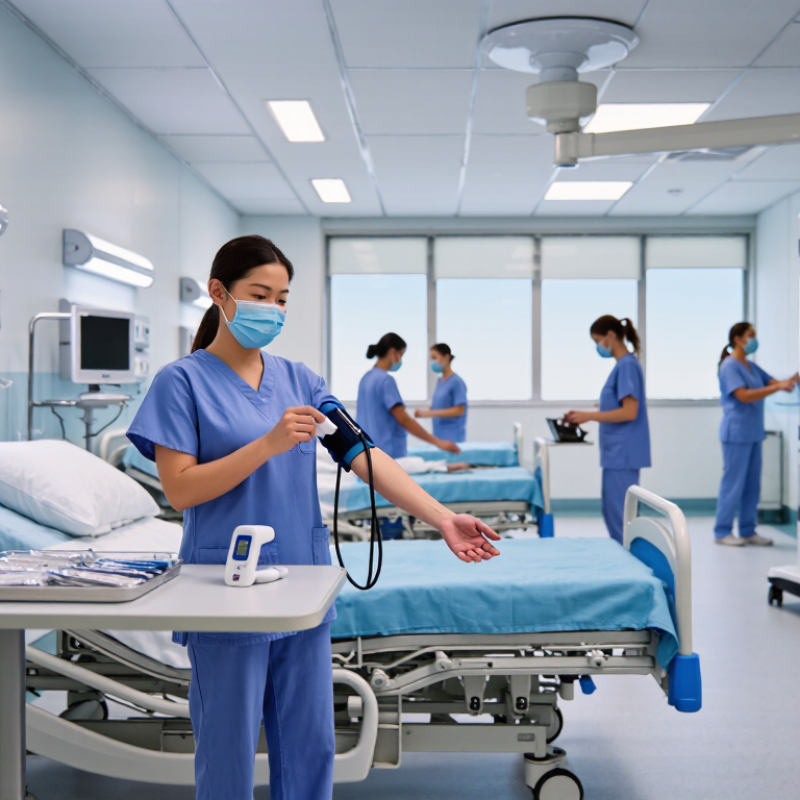
Patient-care equipment needs equally consistent attention. Shared blood-pressure cuffs, thermometers, and mobile monitors should be cleaned and disinfected between patients according to facility protocols and manufacturer instructions. Dedicated equipment can reduce unnecessary sharing in some settings, but it still requires routine cleaning. A shiny surface is not proof of disinfection. Busy shifts make missed steps possible; that is worth acknowledging, not hiding. Clear labels, accessible wipes, and practical workflows help teams do the right task at the right time.

How Hospitals Select, Maintain, and Evaluate Infection-Prevention Equipment

Hospitals should select infection-prevention equipment by matching it to actual care tasks, not catalog claims. A hand-hygiene station near a busy ward entrance must be reachable, stocked, and easy to clean. A portable air-cleaning unit may suit a temporary treatment area. Facilities staff should check airflow, room size, noise, and filter replacement. For reusable devices, confirm the cleaning instructions and whether staff can follow them during a crowded shift. Fit matters. Staff feedback can reveal awkward controls or blocked access before purchase.

Maintenance needs named owners and visible records. Teams can log filter changes, disinfection dates, repair tickets, and alarm checks. Follow device instructions and local infection-control procedures; do not assume one schedule fits every device. Training should include practical demonstrations, such as wiping seams and handles without damaging surfaces. A gap often appears between policy and real workflow. That deserves attention, not blame.

Evaluation should combine maintenance records with observations and infection data reviewed by qualified infection-prevention professionals. Track availability, downtime, cleaning completion, and user reports, then compare similar units over time. A drop in infections alone does not prove a device caused it; staffing, patient mix, and other controls also matter. Review failures openly. Sometimes the checklist looks complete while the device is out of reach. Reassess placement and training, and document what changed. The process is imperfect, but transparent evidence supports safer decisions.

FAQS

How should clinical staff choose personal protective equipment?

Match gloves, gowns, masks, and eye protection to the task and expected exposure. A splash near the eyes needs eye protection.

When should staff change gloves?

Change gloves between patient-care tasks. Clean hands before putting on a new pair. Gloves do not replace hand hygiene.

Why do fit and removal technique matter?

A loose mask, torn glove, or contaminated sleeve can weaken protection. Practice removal to reduce transfer to skin or clothing. Fit matters.

Can protective equipment prevent every infection?

No. Correct selection and removal can reduce exposure, but risks remain. Infections have many possible causes.

What should hospitals check before choosing equipment?

Match equipment to real care tasks. Check whether a hand-hygiene station is reachable, stocked, and easy to clean. For air-cleaning units, consider room size, airflow, noise, and filter changes.

How should reusable equipment be maintained?

Follow device instructions and local procedures. Record cleaning dates, repairs, filter changes, and alarm checks. Assign clear owners.

How can hospitals evaluate whether equipment is working well?

Review maintenance records, availability, downtime, cleaning completion, and staff feedback. Compare similar units over time with qualified infection-prevention professionals.

Does a drop in infections prove that a device worked?

No. Staffing, patient mix, and other controls can affect infection rates. The process is imperfect, so review placement and training when problems appear.

What practical steps help staff follow procedures during busy shifts?

Keep suitable sizes easy to find and disposal bins near care areas. Real shifts get rushed. Review incidents without blame.

Conclusion

Preventing hospital-acquired infections requires a coordinated approach that addresses how germs move between people, surfaces, equipment, and the surrounding air. Personal protective equipment, including gloves, gowns, masks, and eye protection, helps clinical staff reduce exposure when it is selected for the task and used correctly. Hand-hygiene stations, cleaning tools, surface-disinfection systems, and sterilization equipment support consistent routines for breaking transmission pathways.

How to reduce hospital-acquired infections through equipment also depends on matching devices to patient-care needs and maintaining them reliably. Air-quality controls can help manage airborne risks, while carefully designed patient-care equipment supports safer care and effective cleaning. Hospitals should evaluate equipment based on its suitability, ease of use, cleaning requirements, and performance in daily workflows. Staff training, scheduled maintenance, and regular reviews help ensure that infection-prevention tools remain effective and are used as part of a broader safety program.

Sophia

Sophia

Sophia is a dedicated marketing professional with an exceptional depth of knowledge about her company's products and services. With a keen understanding of market trends and customer needs, she crafts insightful blog posts that not only inform but also engage readers, enriching the company’s online......