In modern healthcare, the safety of patients is paramount. Medical beds play a crucial role in ensuring that safety. Dr. James Roberts, an expert in healthcare design, emphasizes, “The right safety features can significantly reduce the risk of patient harm.” Understanding how to implement safety features in medical beds is essential for improving patient outcomes.
Features such as adjustable side rails and pressure-relieving mattresses can make a difference. However, many healthcare facilities overlook essentials like bed alarms and clear user instructions. A lack of these features may increase accidents, raising concerns about patient safety. It is vital to assess which features are truly beneficial.
Incorporating comprehensive training for staff is equally important. Even the best safety features are ineffective without proper use. Engaging all stakeholders in the implementation process fosters a culture of safety. Each decision impacts patient care. Thoughtful reflection on current practices can lead to necessary improvements in the industry's approach to safety.
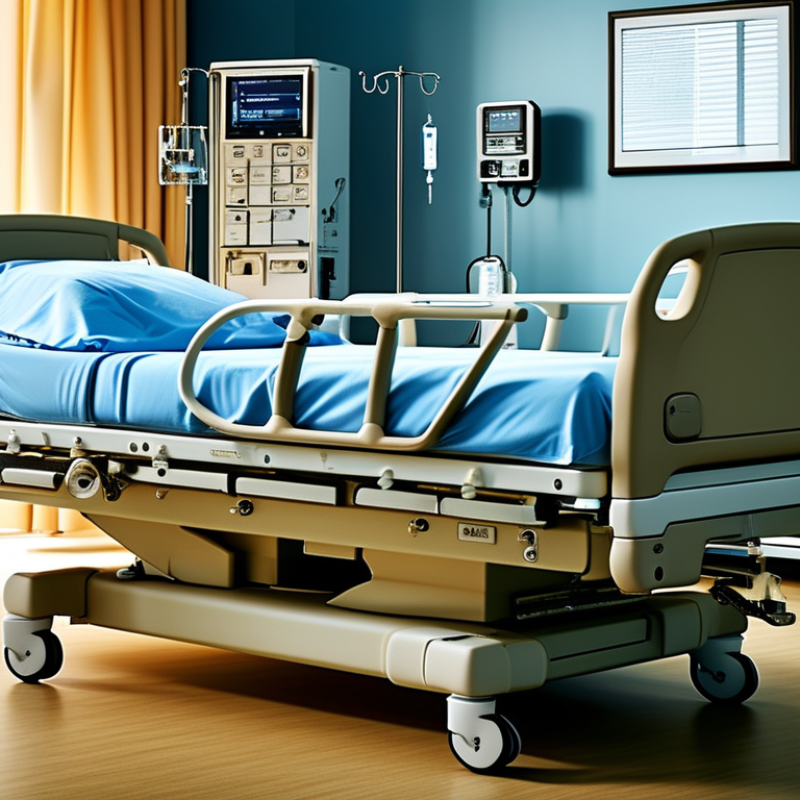
When considering safety in medical beds, several key features stand out. One crucial aspect is adjustable side rails. These rails can prevent patients from falling during sleep or while trying to reposition themselves. Yet, they can also pose risks if they become too high, trapping limbs. Proper design ensures they accommodate patient needs without compromising safety.
Another important feature is the bed’s braking system. It should effectively prevent accidental movement. A reliable braking mechanism ensures stability when the patient transfers to a wheelchair or moves around the room. However, a manual lock may be unintuitive for some caregivers and lead to potential mishaps. Simplification of this system is necessary.
Moreover, the bed should have enhanced visibility features. Subtle illumination can help patients navigate their environment at night. While helpful, overly bright lights may cause discomfort. Finding an optimal balance is essential for maintaining comfort while ensuring safety. Incorporating these design elements thoughtfully can significantly reduce risks associated with medical beds.
When designing medical beds, assessing patient needs and risks is crucial. Patient demographics show that over 60% of hospitalized individuals are over 65 years old. This age group often faces mobility challenges and increased risk of falls. Implementing features like adjustable side rails and low bed heights can help mitigate these risks. However, it's essential to balance safety with comfort.
Tips: Always consider the patient's mobility level when selecting bed features.
Additionally, understanding specific health conditions can influence bed design. For instance, patients with respiratory issues may benefit from beds that can elevate the head. According to a report from the World Health Organization, proper positioning can reduce respiratory complications by nearly 30%. With that in mind, clinicians should include patient input during the design process. This can reveal preferences that enhance their sense of agency and comfort.
Tips: Engage patients in discussions about their comfort and mobility needs.
Finally, while safety features are vital, simplicity in design encourages overall usability. Complex bed controls can be daunting for elderly patients. A straightforward design with intuitive controls can enhance the patient experience, reducing anxiety and improving compliance. Reflecting on these factors can lead to truly patient-centered care in bed design.
Adjustable bed heights play a vital role in enhancing accessibility for patients with varying mobility needs. These beds allow caregivers to easily adjust the height for safe transfers. Lowering the bed makes getting in and out simpler, especially for those who struggle with balance or strength.
Consider this: a patient struggling with mobility may feel more confident if their bed is at a comfortable height. The ability to lower the bed to wheelchair level is crucial. It also reduces the risk of falls during transfers. Caregivers should be trained to use these features correctly.
Tip: Regularly check and maintain the adjustment mechanism for safety and reliability. This ensures smooth operation and minimizes the risk of mechanical failure. Always involve patients in height adjustments. Engage them in discussions about their comfort and safety preferences to foster independence and trust.
This chart illustrates the importance levels of various essential safety features in medical beds for improving accessibility and safety for patients. Each feature is rated on a scale from 1 to 10, with higher values indicating greater importance.
Integrating fall prevention technologies in medical beds is crucial for enhancing patient safety. Falls can lead to serious injuries, particularly for elderly patients. A well-designed medical bed should include features that address this issue directly. One effective technology is the incorporation of bed alarms. These alarms can alert caregivers when a patient attempts to get out of bed, providing a prompt response that can prevent falls.
Another essential feature is the use of adjustable bed height. This allows caregivers to lower the bed closer to the floor when needed. It reduces the distance a patient would fall if they do slip. Additionally, side rails can be beneficial. However, they must be designed thoughtfully to avoid creating a risk of entrapment. Regular assessment and adjustment of these safety features are necessary to ensure they meet the needs of each patient.
Moreover, some hospitals are experimenting with floor mats that alert staff when a patient falls. This technology is promising but still requires refinement. Many caregivers find that the effectiveness of fall prevention measures relies on proper training. Staff needs to understand how to use these features effectively. Despite the advancements, not all medical beds are created equal. Continuous improvements in technology are essential to enhance safety in patient care environments.
Medical beds play a crucial role in patient care, yet their design often lacks essential safety features that enhance stability and support. According to the National Institute of Health, over 50% of hospital falls occur due to inadequate bed design. Improving bed stability is vital to reducing these incidents and ensuring patient safety. Common design flaws include narrow bases and insufficient weight distribution, which can lead to tipping and accidents.
Innovative design improvements can address these issues. For example, implementing wider bases can enhance stability. Studies indicate that beds with lower center of gravity reduce the risk of falls by up to 30%. Additionally, incorporating adjustable support mechanisms can provide customized comfort. Adjustable side rails that can be easily manipulated ensure patients remain securely in bed.
While these changes are promising, there are still challenges in achieving uniform standards across medical facilities. It is also essential to consider the materials used in bed construction. Lightweight but durable materials can enhance both safety and maneuverability. However, many facilities still rely on outdated designs, which raises concerns. Regular audits of bed designs may not be standard practice in all institutions, leading to inconsistent safety levels. Thoughtful design improvements, focused on stability and support, can save lives and improve patient experiences in medical settings.
: Adjustable side rails help prevent patients from falling during sleep or repositioning. They maintain safety but need careful design.
A reliable braking system prevents accidental movement, ensuring stability during transfers. Manual locks can be confusing for some caregivers.
Subtle illumination helps patients navigate at night. However, overly bright lights can cause discomfort; balance is key.
Bed alarms alert caregivers if a patient tries to get out of bed. They provide prompt responses to prevent falls.
Adjustable height allows caregivers to lower the bed, reducing fall distances. This feature is vital for preventing serious injuries.
Continuous adjustment ensures that safety features meet each patient's needs. Regular checks help maintain effective fall prevention.
Some hospitals use floor mats that alert staff if a patient falls. This technology shows promise but needs further refinement.
Proper training enables caregivers to use safety features effectively. Without it, the success of prevention measures may diminish.
Not all medical beds offer the same safety features. Ongoing advancements are crucial for enhancing overall patient care safety.
Features like side rails must avoid entrapment risks. Designers need to balance safety with functionality for best results.
In exploring "How to implement safety features in medical beds," it is essential to first identify the key safety features that enhance patient care and prevent accidents. This involves assessing individual patient needs and potential risks associated with bed design, ensuring that the bed caters to diverse requirements.
Furthermore, adjustable bed heights can significantly improve accessibility for both patients and caregivers, facilitating safer transfers and reducing strain. Integrating fall prevention technologies, such as bed alarms and sensor systems, can substantially decrease the likelihood of falls. Lastly, enhancing bed stability and support through thoughtful design improvements is crucial for maintaining patient safety and comfort. By focusing on these elements, healthcare providers can create a safer environment for patients utilizing medical beds.
Medivara Medical