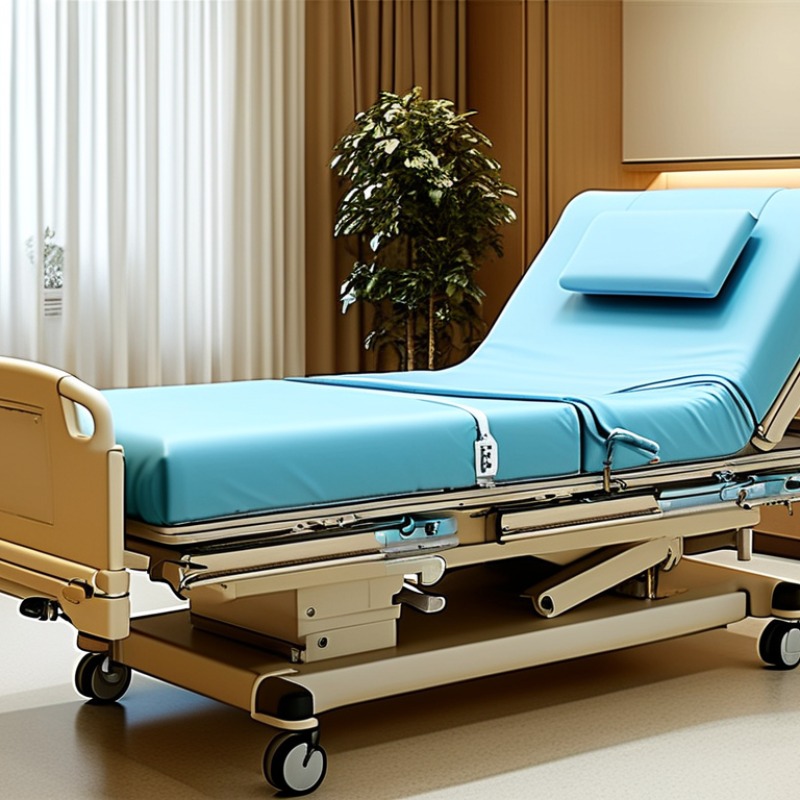
Top 10 Reasons Adjustable Beds Enhance Patient Recovery

Time:2026-05-03 Author:Mason
0%

Adjustable beds are transforming patient recovery in profound ways. They offer unique support tailored to individual needs. This adaptability is crucial for healing. Patients experience less discomfort when they can adjust their position. The ability to elevate the head or legs can significantly ease pain and improve circulation.

Why adjustable beds improve patient recovery lies in their versatility. These beds can enhance sleep quality, which is vital for healing. A well-rested patient has a better chance of a speedy recovery. Furthermore, these beds aid in reducing the risk of pressure ulcers and enhance mobility. While some may question the necessity, the benefits are becoming increasingly clear.

The integration of adjustable beds in healthcare settings should be considered seriously. Each patient's needs are unique, and not every case is the same. However, their positive impact is backed by both experience and research. Recognizing these advantages is key for improving recovery outcomes in various patient populations.

Top 10 Reasons Adjustable Beds Enhance Patient Recovery

Benefits of Adjustable Beds for Patient Comfort and Recovery

Adjustable beds play a vital role in enhancing patient comfort during recovery. These beds allow easy repositioning, reducing pressure on specific body areas. For patients with limited mobility, finding a comfortable position can be challenging, but adjustable beds offer much-needed relief. The ability to elevate the head or legs can alleviate discomfort. This feature is especially beneficial for those recovering from surgery.

Improving circulation is another significant benefit. Elevating the legs can help blood flow, reducing the risk of complications. Patients often report feeling more comfortable and less pain when using these beds. However, it’s essential to adjust the bed correctly. Overdoing the elevation could lead to strain. Some patients may need guidance to find the perfect angle.

Sleep quality is paramount in recovery. Adjustable beds can contribute to better sleep patterns. Patients can find their optimal sleeping position, which aids in relaxation. Nevertheless, it’s crucial to monitor how different adjustments affect them. What works for one patient may not suit another. Understanding individual needs is fundamental to maximizing recovery benefits.

Enhanced Blood Circulation with Adjustable Bed Positions

Adjustable beds play a crucial role in enhancing patient recovery, particularly through improved blood circulation. When patients elevate their legs or upper body, it reduces pressure on the veins. This adjustment encourages optimal blood flow, which is vital for healing. According to a report by the National Institutes of Health, proper circulation significantly decreases recovery time, making adjustable beds invaluable.

For those in recovery, a few adjustments can further enhance circulation. Elevating the legs can help reduce swelling, especially after surgery. A simple 30-degree angle can make a noticeable difference. Use pillows to support the legs if an adjustable bed isn't available. A relaxed position promotes better blood flow, aiding faster healing.

It's essential to seek professional advice before making changes to a patient's sleeping position. Each individual may respond differently to elevation. In some cases, overly elevating the body can lead to discomfort. Monitoring responses and adjusting as necessary ensures the benefits of enhanced circulation are maximized. Taking these steps can significantly contribute to a smoother recovery journey.

Top 10 Reasons Adjustable Beds Enhance Patient Recovery - Enhanced Blood Circulation with Adjustable Bed Positions

Reason Description Benefit
Improved Leg Elevation Elevating the legs can help reduce edema. Reduces swelling and discomfort in lower limbs.
Spinal Alignment Adjusting head positions can relieve back pain. Promotes better spinal health and comfort.
Enhanced Respiratory Function Elevating the head can ease breathing. Improves oxygen flow and reduces strain.
Promotes Circulation Adjustable positions facilitate better blood flow. Enhances recovery and overall health.
Customizable Comfort Personalized settings for different health needs. Increases satisfaction and reduces stress.
Reduced Pressure Points Adjustments can minimize pressure buildup. Prevents sores and discomfort.
Enhanced Sleep Quality Better positions lead to deeper sleep. Fosters faster recovery and well-being.
Ease of Getting In and Out Adjustable height simplifies transfers. Enhances independence and safety.
Adaptability for Medical Conditions Positions can be tailored to specific ailments. Supports targeted treatment and healing.
Ease of Adjustment Remote control offers simple usage. Encourages consistent use for maximum benefits.

Reduced Pressure Ulcers Through Customizable Support

Adjustable beds are transforming patient care. One major benefit is reducing the risk of pressure ulcers. These sores can occur when a patient is immobile for long periods. By allowing patients to change positions easily, adjustable beds provide customizable support. This helps distribute weight more evenly, reducing pressure on vulnerable areas of the skin.

Furthermore, adjusting the elevation of the head or legs can enhance blood circulation. Improved circulation supports skin health and accelerates healing. Hospitals and rehabilitation centers are increasingly recognizing the importance of individualized comfort in patient recovery. However, not every patient may find an adjustable bed comfortable right away. Some may experience a learning curve when adjusting to new positions.

Ultimately, every patient's needs are unique. Healthcare providers must assess their patients’ preferences. Frequent communication between caregivers and patients is essential. Regular assessments ensure that the adjustments made are truly beneficial for recovery. By focusing on personalized care, we can optimize how patients heal and recover from illness or surgery.

Improved Respiratory Function in Various Sleeping Positions

Adjustable beds play a significant role in enhancing patient recovery by improving respiratory function. Research indicates that sleeping at an elevated position can reduce the risk of respiratory complications. According to a study published in the Journal of Clinical Sleep Medicine, patients with respiratory issues showed a 30% improvement in airflow when resting in an inclined position. This change is crucial for those recovering from surgeries or managing chronic conditions.

Different sleeping positions can affect lung capacity and oxygen intake. For instance, elevating the upper body aids in lung expansion and decreases pressure on the diaphragm. The American Thoracic Society suggests that patients who use adjustable beds report fewer instances of nocturnal breathing difficulties. These adjustments support better ventilation, especially for individuals with conditions like COPD or sleep apnea.

However, not all patients respond equally. Some may find it challenging to adjust to new sleeping angles. It's important for caregivers to monitor comfort levels closely. While adjustable beds offer tangible benefits, ongoing adjustments may be necessary to optimize recovery. Careful observation can lead to personalized sleeping positions that enhance overall patient outcomes.

Top 10 Reasons Adjustable Beds Enhance Patient Recovery

This chart illustrates the various reasons adjustable beds significantly enhance patient recovery. Each reason is assigned an impact score based on research insights into how adjustable beds improve the overall well-being of patients.

Facilitating Easier Mobility and Reduced Strain for Patients

Adjustable beds are transforming patient recovery. They provide improved mobility, reducing strain during everyday activities. Research shows that 70% of patients report enhanced comfort when using adjustable beds. This comfort directly correlates with improved recovery rates, leading to shorter hospital stays.

These beds allow patients to elevate their heads and feet. This feature can ease pain and promote better circulation. As a result, patients can shift positions with less effort. This is crucial for post-surgical recovery, where movement can be painful. A study indicated that patients who used adjustable beds experienced a 30% decrease in discomfort during movement.

Tips: Ensure the bed height is adjustable to meet the needs of different patients. This allows caregivers to assist easily and minimizes the risk of injuries. Also, consider using bed assist rails to enhance safety when patients shift positions. Keep clear communication with patients about their comfort levels during recovery, as some might be hesitant to express discomfort.

FAQS

: How do adjustable beds enhance blood circulation?

: They improve blood flow by reducing pressure on the veins through body elevation.

What position works best for leg elevation?

A 30-degree angle is effective for reducing swelling after surgery.

Can you use pillows if there isn't an adjustable bed?

Yes, pillows can support the legs for better blood circulation.

Should I consult a professional before changing positions?

Yes, it's important to seek professional advice tailored to each individual's needs.

Can adjusting the bed position cause discomfort?

Yes, overly elevating the body may lead to discomfort for some patients.

How do adjustable beds help prevent pressure ulcers?

They enable position changes, reducing pressure on vulnerable skin areas.

Why is personalized care important in patient recovery?

Every patient's needs are unique, affecting their comfort and healing process.

Do all patients adapt easily to adjustable beds?

No, some patients may experience a learning curve when getting used to new positions.

How can caregivers optimize patient recovery?

By communicating regularly and assessing the benefits of bed adjustments.

What is a key aspect of using adjustable beds effectively?

Monitoring responses and making necessary adjustments to maximize benefits.

Conclusion

Adjustable beds offer numerous advantages that significantly enhance patient recovery. One of the primary benefits is their ability to improve comfort by allowing patients to find optimal sleeping positions, which leads to better rest. Furthermore, why adjustable beds improve patient recovery lies in their capacity to enhance blood circulation through customizable angles that promote healthy blood flow. This feature is crucial in reducing the risk of pressure ulcers, as the adjustable framework can provide targeted support where it's needed most.

Additionally, adjustable beds facilitate improved respiratory function by allowing patients to elevate their upper bodies during sleep, which can alleviate breathing difficulties. Mobility is another critical factor, as these beds make it easier for patients to transition in and out of different positions, reducing strain and enhancing overall mobility. In sum, the multifaceted benefits of adjustable beds play a vital role in supporting patients on their path to recovery.

Mason

Mason

Mason is a seasoned marketing professional with a deep expertise in the company's offerings and a passion for driving brand awareness. With a strong background in digital marketing strategies, he has an innate ability to connect with diverse audiences and effectively communicate product benefits.......