How to Choose the Best Medical Beds for Long Term Care Facilities?

Time:2026-06-29 Author:Ethan
0%

Selecting the right medical beds for long-term care facilities is crucial. The comfort and functionality of these beds directly impact patient outcomes. Care facilities must prioritize the needs of their residents. Understanding how to select medical beds for long-term care facilities can improve their quality of life.

Firstly, consider the unique requirements of each patient. Different conditions require different features. Adjustable beds may benefit those with mobility issues or chronic pain. Sturdy side rails enhance safety, but can also create a barrier. Balancing comfort and safety is key.

Also, evaluate the staff's needs. The right bed can aid caregivers in their daily tasks. However, the cost must be reasonable. It's essential to find a bed that offers durability and reliability without stretching the budget. Reflecting on past choices can guide future decisions. Care protocols may evolve, and so might the need for different bed features.
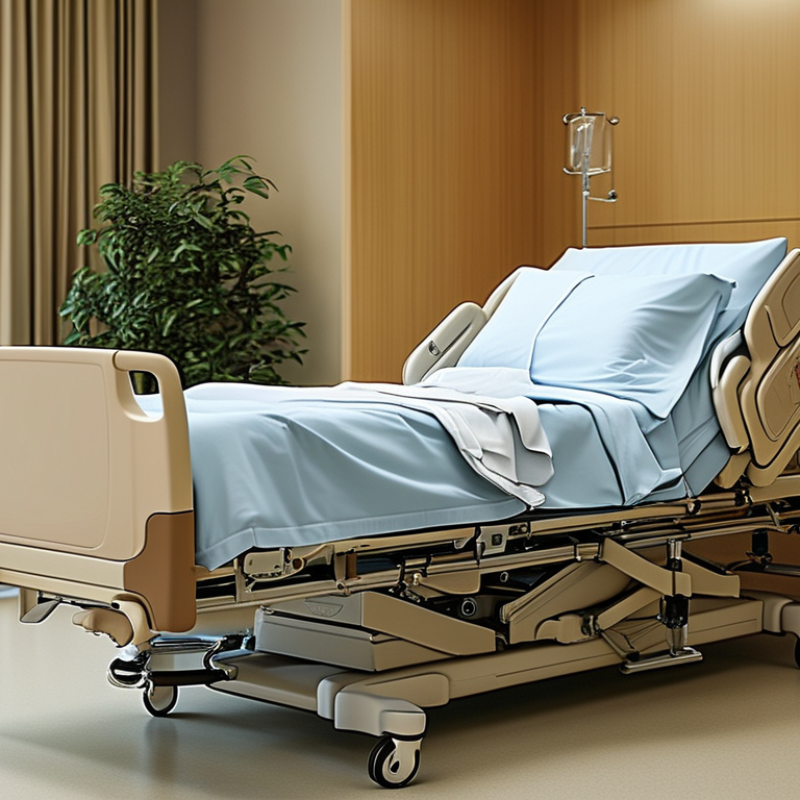
How to Choose the Best Medical Beds for Long Term Care Facilities?

Factors to Consider When Selecting Medical Beds for Long Term Care

Choosing the right medical beds for long-term care facilities requires careful consideration of several factors. One of the main aspects is patient comfort. A bed that offers adjustable positions can enhance comfort, aiding in better sleep and overall health. This helps prevent pressure ulcers, which are a significant concern for long-term residents.

Another important factor is ease of use for caregivers. Beds with intuitive controls make it simpler for staff to assist patients. This is crucial, especially in emergency situations. Accessibility features are essential too. Beds should accommodate various mobility needs to ensure safety and ease of transfer.

Durability is another key concern. Long-term care facilities often experience heavy usage of equipment. Investing in beds with a solid build ensures reliability over time. It’s also wise to consider maintenance ease. Regular upkeep should not burden the staff. Balancing these factors can be challenging, making thoughtful evaluation vital.

Types of Medical Beds Available for Long Term Care Facilities

When selecting medical beds for long-term care facilities, it’s critical to understand the types available. Various models of medical beds cater to the specific needs of patients with differing levels of mobility, comfort, and medical conditions.

Hospital beds are common in these settings. They can be adjusted in height and allow for head and foot elevation. This adaptability helps caregivers provide better care and enhances patient comfort. Bariatric beds offer a wider design to support larger patients. Choosing the right size is essential for safety and comfort.

Considerations extend beyond just types. Pay attention to the materials used. Durable materials are essential for longevity. Beds with features like bedside controls benefit both patients and caregivers.

Tips: Always consult healthcare professionals when selecting beds. Engage with staff to understand patient preferences. Regularly review bed conditions to ensure safety and comfort. Look for beds that offer customization, as each patient’s needs can vary over time. Noticing any discomfort can lead to crucial adjustments.

Key Features to Look for in Medical Beds for Patient Comfort

When selecting medical beds for long-term care facilities, patient comfort is crucial. Research shows that up to 40% of hospital-acquired complications can be linked to uncomfortable bedding. Therefore, investing in the right features is vital for enhancing patient well-being.

Height adjustability is essential. It allows caregivers to easily access patients, thus reducing the risk of injury. Additionally, a bed's weight capacity should accommodate a variety of patient sizes. Reports indicate that beds with a minimum capacity of 500 pounds are recommended for diverse patient needs. Furthermore, pressure relief mattresses can significantly reduce the risk of pressure sores. These mattresses distribute body weight evenly, providing a comfortable sleeping surface.

Another feature to consider is side rails. They can offer safety but should not compromise patient independence. A report from the Agency for Healthcare Research and Quality highlights that improper use of side rails can lead to entrapment. Regular staff training on bed usage is vital in ensuring both safety and comfort. The balance between safety features and comfort is often challenging, requiring careful consideration.

Assessing Budget and Cost-Effectiveness of Medical Beds

When assessing budget and cost-effectiveness for medical beds in long-term care facilities, careful analysis is essential. The average cost of a hospital bed can range from $600 to $3,500. Facilities must weigh these initial costs against expected durability and maintenance expenses. A study by the Journal of Healthcare Finance highlights that investing more upfront can lead to lower lifetime costs due to reduced repairs and replacements.

Cost-effectiveness also involves evaluating patient needs. Beds should support comfort and safety. For instance, pressure-relieving mattresses can prevent ulcers, reducing healthcare costs. According to the National Pressure Ulcer Advisory Panel, the average treatment for a single pressure ulcer can exceed $70,000. This expense emphasizes the importance of selecting beds that minimize such risks.

Long-term care facilities must review usage patterns and patient populations. Some beds may be ideal for specific conditions but less effective for others. Ongoing staff training and awareness can lead to better utilization. A facility with a thorough assessment strategy can avoid unnecessary expenses and enhance service quality. Balancing budget constraints with quality care is a continual challenge.

Maintenance and Safety Standards for Long Term Care Medical Beds

Maintenance and safety standards for long-term care medical beds are crucial. According to the American Hospital Association, approximately 50% of patient injuries in care facilities occur from equipment-related issues. Regular inspections are essential for identifying wear and tear. Beds should undergo monthly checks to ensure that mechanical components, such as motors and lift mechanisms, function properly.

Training staff on the correct usage of medical beds is also vital. Proper training can reduce accidents. A report from the National Institute for Occupational Safety and Health emphasizes that 70% of bed-related injuries could be prevented with better staff education. Additionally, compliance with safety standards, such as those outlined by the Joint Commission, helps ensure that the beds meet required safety protocols.

Care facilities must also consider the durability of materials used in medical beds. Beds made from high-quality, easy-to-clean surfaces can reduce infection rates. Research indicates that facilities that prioritize cleanliness see a 25% drop in infection incidents. Regular maintenance and attention to safety can enhance overall care quality.

FAQS

: Why is patient comfort important in long-term care beds?

: Patient comfort enhances sleep and health. It helps prevent pressure ulcers, which are crucial for long-term residents.

How do adjustable beds benefit caregivers?

Adjustable beds simplify patient assistance, especially in emergencies. They allow for better care and support.

What features should I consider for accessibility?

Beds should accommodate various mobility needs. Safety and ease of transfer are key factors for all patients.

Why is durability crucial for medical beds?

Long-term care facilities experience heavy usage. Invest in beds that are solidly built for long-lasting reliability.

How important is maintenance for medical beds?

Easy maintenance prevents burdening staff. Regular upkeep is essential to ensure safety and functionality.

What types of medical beds are available?

Hospital beds are common, offering height adjustment. Bariatric beds support larger patients and enhance safety.

What materials are best for long-term care beds?

Durable materials extend bed longevity. Choosing the right materials can prevent frequent replacements.

How can I ensure the right bed size?

Proper size is essential for safety and comfort. Engage with staff to address patient preferences and needs.

What customization options should I look for?

Customization accommodates varying patient needs. Noticing discomfort can prompt vital adjustments for better care.

Should I consult healthcare professionals before selecting beds?

Yes, consulting professionals offers insights. Feedback from staff can improve decisions based on patient experiences.

Conclusion

When considering how to select medical beds for long-term care facilities, several key factors must be taken into account. Firstly, understanding the types of medical beds available is crucial, as they vary in features and functionality to meet different patient needs. Essential features for enhancing patient comfort, such as adjustable height, position settings, and supportive materials, should be prioritized.

Additionally, assessing the budget and cost-effectiveness of potential options is vital to ensure financial sustainability for the facility. Evaluation of maintenance requirements and adherence to safety standards is equally important to protect both patients and staff. By carefully considering these elements, facilities can make informed decisions that promote patient well-being and operational efficiency.

Ethan

Ethan

Ethan is a seasoned marketing professional with a deep expertise in our company's innovative product line. With a passion for sharing knowledge and insights, he takes the lead in regularly updating our corporate blog, where he explores industry trends, product features, and effective marketing......