Choosing the right hospital furniture is crucial for maintaining hygiene. Understanding how to select furniture that meets hospital hygiene standards can greatly impact patient care. Hospitals face unique challenges. Furniture must withstand constant cleaning and disinfecting. It should also provide comfort and support to patients.
Materials play a significant role in hygiene. Non-porous surfaces are essential. These materials prevent bacteria from settling and spreading. However, not all options provide the same level of protection. Some might wear down over time, making them less effective.
Design is another key factor. Furniture should be easy to clean and have smooth edges. Flaws in design can create hiding spots for germs. This complicates cleaning efforts. It's vital to ask questions and seek expert advice. Overlooking these details can lead to serious hygiene issues. Identifying the best choices demands careful thought. Hospital environments require high standards of cleanliness. Selecting furniture that meets these standards is non-negotiable.
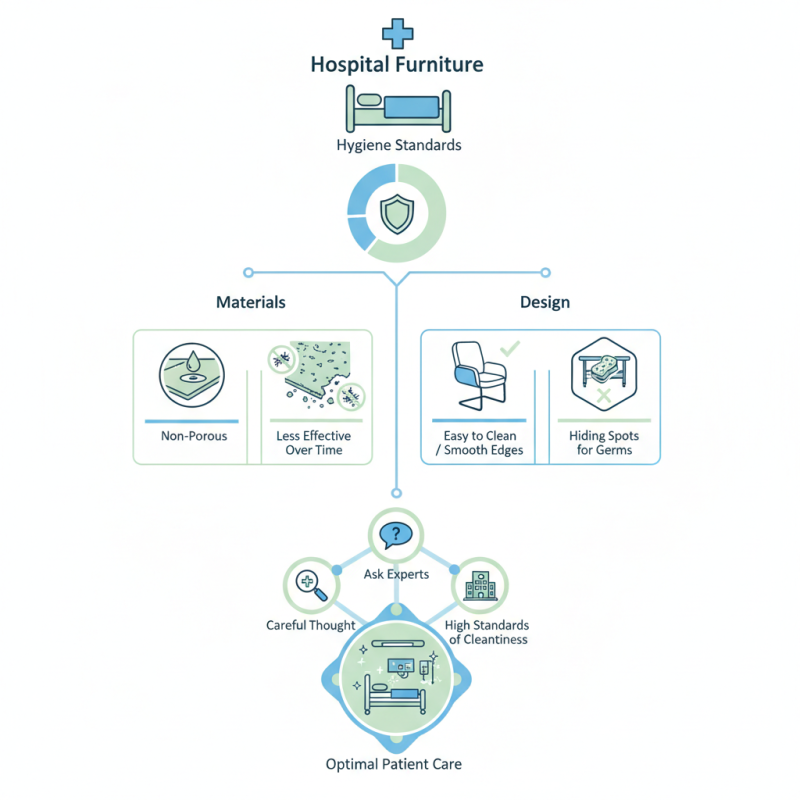
Hygiene standards play a vital role in hospital furniture design. Effective furniture must minimize infection risks. Materials should be non-porous and easy to clean. Smooth surfaces prevent dirt buildup. Consider antimicrobial finishes to inhibit germ growth.
The layout of hospital furniture is equally critical. Space should allow for efficient cleaning. This promotes better hygiene. However, finding balance can be tricky. Overcrowded rooms limit access for cleaning staff. Furniture choices can either enhance or hinder hygienic practices.
While aiming for the best, some designs might fall short in practicality. Aesthetic appeal shouldn't compromise hygiene. Frequent assessments can help identify what works and what doesn't. The challenge is to create a healing environment that respects both beauty and safety.
Choosing hospital furniture that aligns with stringent hygiene standards is essential for patient safety. The right materials and finishes can significantly reduce the risk of infections. For instance, a report by the CDC indicates that around 1 in 31 hospital patients has at least one healthcare-associated infection. This underscores the need for antimicrobial surfaces.
When selecting materials, options like vinyl and coated fabrics are recommended. These materials are not only easy to clean but also resist microbial growth. For example, a study showed that furniture with antimicrobial coatings can lower bacterial contamination by up to 99%. This is crucial in high-traffic areas such as waiting rooms and patient rooms.
Moreover, finish choices matter too. High-gloss finishes, while aesthetic, may harbor bacteria more than matte surfaces. Reflective surfaces often offer less grip for cleaning tools. Facilities must weigh the pros and cons during the selection process. It’s clear that even the best furniture can fail hygienically if the wrong materials are chosen. Therefore, regular assessments of furniture condition and hygiene adherence are vital for maintaining safety standards.
When selecting hospital furniture, durability is paramount. The right materials should withstand heavy usage. They must also resist contamination from spills and microbial growth. Look for furniture made from non-porous surfaces. These can often be cleaned easily.
Hospital environments are challenging; furniture needs to endure various stresses. Scratches and dents could harbor bacteria.
Assessment of resistance to contaminants is critical. Furniture should be tested against common cleaning agents. Different finishes can offer varying degrees of protection. Upholstery is another factor. Stain-resistant fabrics are essential but can be misleading. Some may wear out quickly and require replacement sooner than expected.
Review your choices carefully. Look for warranties that cover long-term use. Ask if materials are certified for healthcare settings. Conducting thorough research can prevent costly mistakes later. Furniture is not just a purchase; it’s an investment in safety and comfort.
When selecting hospital furniture, ergonomics and patient safety are paramount. According to a report from the World Health Organization, poorly designed furniture can contribute to a 30% increase in workplace injuries among healthcare staff. This statistic underscores the need for furniture that promotes an efficient and safe working environment.
In practical terms, adjustable beds and chairs improve comfort for both patients and healthcare providers. A study published in the Journal of Ergonomics found that patient satisfaction rates rose by 25% when using ergonomically designed furniture. Staff reported less fatigue, which leads to better care.
However, choosing the right materials is crucial too. Non-porous surfaces help in maintaining hygiene but can be less forgiving in terms of comfort. Many healthcare workers express concerns about balance: functionality versus comfort. This tension could affect patient care quality. Constant evaluation of furniture design is essential for continuous improvement in hospital settings.
When selecting hospital furniture, adherence to hygiene standards is crucial. Regulatory guidelines focus on materials, design, and maintenance. This ensures safety for patients and staff. Common standards often emphasize non-porous surfaces. Materials that resist bacteria and easy-to-clean finishes are essential. They prevent any infection spread, a vital consideration in a healthcare setting.
Compliance with these standards is a multi-step process. Manufacturers must provide documentation to verify their products meet specified hygiene regulations. Regular inspections are mandatory to ensure ongoing compliance. Staff training on cleaning protocols cannot be overlooked, as proper use can enhance furniture longevity and effectiveness. Adopting protocols may sometimes feel burdensome, but it significantly impacts patient safety.
However, challenges arise around budget constraints. The cost of high-quality, compliant furniture can be considerable. Hospitals often find it difficult to balance budget and hygiene needs. It's vital to reflect on these choices. Incentivizing better practices might lead to a more sustainable approach to hygiene in hospital settings.
: Hygiene standards minimize infection risks. Non-porous materials and easy-to-clean surfaces prevent dirt buildup.
Proper layout allows efficient cleaning. Overcrowded rooms hinder access, complicating necessary hygiene practices.
Ergonomic design improves comfort. It reduces worker fatigue and enhances patient satisfaction rates.
Non-porous surfaces resist bacteria. They are easy to clean but may lack comfort.
High-quality, compliant furniture can be expensive. Balancing budget and hygiene needs is challenging for hospitals.
Documentation is essential for manufacturers. Regular inspections and staff training on cleaning protocols are also crucial.
Aesthetic appeal shouldn't compromise hygiene. Striking a balance is challenging but necessary for a healing environment.
Designs may look good but fall short in usability. Frequent assessments can pinpoint both effective and ineffective designs.
The right design improves comfort for patients and staff. It can significantly enhance the quality of care provided.
Continuous assessment fosters improvements. It helps address issues related to comfort, hygiene, and functionality.
In the quest for optimal hospital environments, understanding hygiene standards in hospital furniture design is crucial. When considering how to select furniture that meets hospital hygiene standards, one must prioritize materials and finishes that are antimicrobial and easy to clean, ensuring that they resist contaminants effectively. Additionally, assessing the durability of furniture is key to maintaining hygiene over time.
Ergonomics and patient safety should also influence furniture selection, promoting not only comfort but also facilitating better healthcare outcomes. It's essential to stay informed about regulatory guidelines and compliance standards to ensure that all furniture adheres to the necessary hygiene requirements. By focusing on these aspects, healthcare facilities can create safer and more hygienic environments for both patients and staff.

Medivara Medical