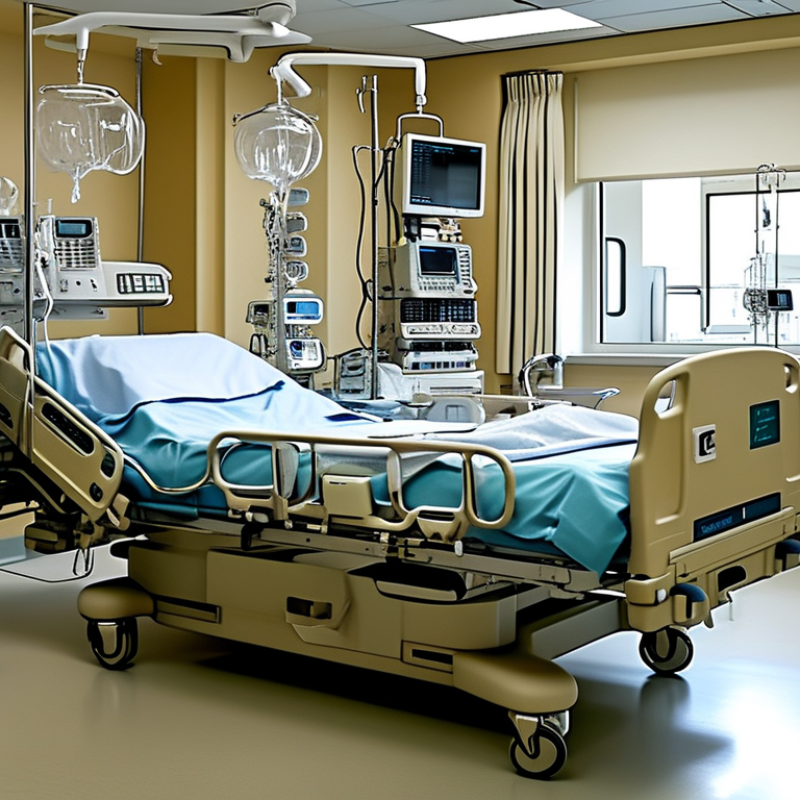
In critical care settings, patient safety and comfort are paramount. This leads to the question: Why ICU beds require specialized features? ICU beds must support the complex needs of patients. They are often seriously ill and have unique challenges. These challenges include decreased mobility and the need for constant monitoring.
Specialized ICU beds can accommodate various medical equipment. This includes Essential medical devices like ventilators and infusion pumps. Adjustable positions help to prevent complications, such as pressure sores. These features allow for better access during emergencies. Yet, not all ICU beds meet these specific needs.
The design of ICU beds is crucial for both patients and healthcare providers. A well-equipped bed can enhance patient outcomes. However, there is still room for improvement in features available today. Many hospitals still use standard beds, which may not suffice. As we evaluate current practices, considering why ICU beds require specialized features becomes vital for advancing patient care.
ICU beds are more than just furniture; they are critical for patient care. These beds feature adjustable heights, which allow healthcare providers to work efficiently. This design minimizes strain on medical staff. Proper bed positioning can enhance patient comfort and reduce the risk of bedsores.
Additional elements include integrated monitoring systems. They track vital signs continuously. With these features, immediate responses to critical changes are possible. Moreover, some ICU beds have side rails for safety, which prevent falls. However, not all beds are created equally. Some lack adequate cushioning or adjustability.
Lastly, the aesthetic aspect also plays a role. Soft lighting options can create a calming environment. Yet, designing an ideal ICU bed remains a challenge. Balancing functionality and comfort is difficult. Each component must serve a purpose. The ideal ICU bed enhances both patient recovery and staff efficiency.
Effective communication is critical in an ICU setting. Many beds now feature built-in intercom systems, allowing seamless communication between staff and patients. This can ease anxiety for patients who may feel isolated. Additionally, lighting controls enhance patient comfort without disturbing sleep.
Tip: Always consider the ergonomic design of the bed. This can help caregivers perform tasks with minimal strain.
Incorporating advanced features like automated position changes can further enhance care. It prevents pressure ulcers and offers increased mobility for patients. However, not all technology is foolproof. Sometimes, equipment may malfunction under high pressure. Continuous training on the latest technologies is essential for healthcare professionals to avoid possible errors.
Tip: Regularly check for updates on monitoring systems to ensure functionality. This can significantly affect the care quality in an ICU.
In the intensive care unit (ICU), patient mobility is crucial for recovery. Specialized ICU beds often incorporate features that support movement. For example, adjustable positions can help patients change their posture without the need for additional assistance. This can enhance comfort and may prevent complications like pressure sores. Mobility features allow patients to sit up, which improves lung function and encourages deep breathing.
Even with these innovations, there are challenges. Some patients may still struggle with movement. This can hinder their overall recovery. Nursing staff must be trained to facilitate efficient use of these beds. Communication between the healthcare team and the patient is important. Each patient's needs are unique, and a one-size-fits-all approach may not work.
Continuous assessment of mobility features can lead to better care practices. Ensuring that ICU beds have effective mobility features is a step toward improving patient outcomes. However, healthcare facilities should not overlook the importance of staff training and patient engagement. Reflecting on these aspects can drive further enhancements in critical care settings.
In the critical environment of an ICU, beds must adapt to a range of patient needs. Customization features are essential for providing optimal care. Adjustable height is one such feature, ensuring that medical staff can easily access patients. This minimizes strain during interventions, allowing for quicker response times.
Another crucial aspect is mobility. ICU beds equipped with wheels can be maneuvered easily. This is important when transferring patients for procedures or emergencies. Some beds even allow side-to-side movement to assist with patient repositioning. This capability helps prevent pressure ulcers, which can occur during long stays.
Tips: Always ensure that beds are equipped with side rails. These provide safety for patients who may be disoriented. Regularly check for functionality. Faulty mechanisms can hinder care. Documentation of bed features is vital. This ensures everyone knows how to use them effectively.
In critical care settings, specialized ICU bed features play a vital role in patient outcomes. These beds are designed to enhance comfort, support, and monitoring for critically ill patients. For instance, an adjustable height can facilitate easier access for healthcare providers. It reduces the physical strain on staff, allowing for quicker care. Moreover, some beds come equipped with advanced turning systems to prevent bedsores. This is crucial as pressure ulcers can lead to infections, prolonging recovery.
The impact of these features extends to patient safety as well. For example, beds with integrated alarms can alert staff to sudden changes in patient condition. This timely notification allows for rapid intervention, which can be life-saving. However, the reliance on technology can sometimes lead to complacency. Staff must remain vigilant and responsive, ensuring they don’t depend solely on alarms.
There's no one-size-fits-all approach. Each ICU faces unique challenges. Some feature rich interiors while others operate in space-constrained environments. This variability requires ongoing assessment of bed features to meet specific needs effectively. Continuous feedback from healthcare providers is essential. It fosters an environment where innovation aligns with patient care goals, ultimately enhancing outcomes.
: ICU beds have adjustable heights, integrated monitoring systems, and side rails for patient safety.
They allow proper positioning and mobility, reducing the risk of bedsores and enhancing overall comfort.
Advanced monitoring systems track vital signs, helping staff respond quickly to critical changes in patient health.
An ergonomic design helps caregivers perform their tasks with minimal strain, improving efficiency in patient care.
Yes, features like adjustable height and mobility help tailor beds to individual patient requirements, enhancing care.
Staff should ensure side rails are functional and monitor the bed's adjustment mechanisms to avoid any issues.
Built-in intercom systems allow patients to communicate easily with staff, helping to alleviate feelings of isolation.
Balancing functionality and comfort is difficult, as each component must effectively support patient recovery and staff efficiency.
Malfunctions during high-pressure situations can lead to errors, so regular training on equipment is important.
Documenting bed features ensures all staff are aware of how to use them effectively, promoting better patient care.
ICU beds play a crucial role in enhancing patient care, and understanding why ICU beds require specialized features is essential. These beds are designed with unique elements that prioritize patient comfort and safety, ensuring that critical care environments are conducive to healing. Essential technologies integrated into these beds allow for continuous monitoring of patient health, facilitating timely interventions when necessary.
Moreover, mobility features in ICU beds are pivotal for patient recovery, enabling easier repositioning and movement, which can prevent complications associated with immobility. Customization options allow healthcare providers to tailor beds to meet the diverse needs of patients, enhancing overall patient outcomes. The specialized features of ICU beds not only improve individual patient care but also contribute to a more efficient healthcare system, ultimately leading to better recovery rates and patient satisfaction.
Medivara Medical