Effective maintenance of crash carts is crucial for ensuring a rapid response in emergency situations. A study by the Journal of Emergency Nursing revealed that immediate access to essential medications and equipment can reduce patient mortality by up to 30%. This statistic underscores the importance of understanding how to maintain crash carts for rapid response.
Regular checks and updates of crash carts are vital. According to a report by the American Heart Association, 80% of hospitals faced issues with expired medications in their crash carts. This highlights a significant gap in protocol adherence. Keeping carts stocked with the latest supplies is not just a task; it’s a matter of life and death.
Maintenance procedures should include inventory audits and staff training. Many healthcare professionals report feeling unprepared during emergencies, pointing to inadequate training on existing protocols. To improve outcomes, hospitals need to ensure that their crash cart management processes are rigorous and reliable. Ensuring that every team member knows how to access and use the cart can make a significant difference in critical moments.
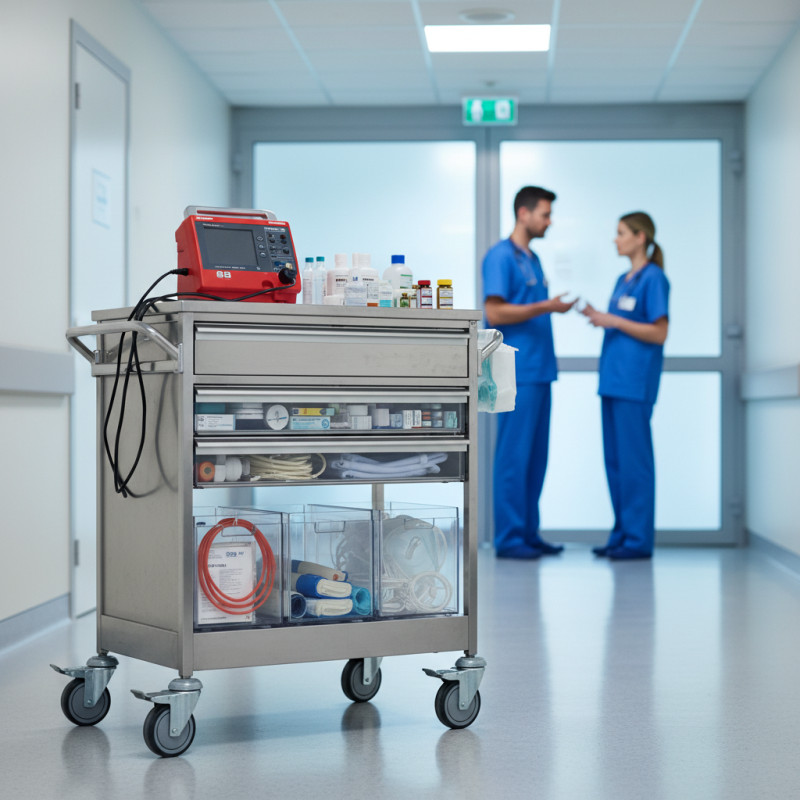
A well-stocked crash cart is essential for any medical facility. It acts as a lifeline during emergencies. Key items such as defibrillators, airway management tools, and medications should always be accessible. Regular checks can ensure all equipment functions properly. A missing item can lead to dire consequences. Staff must be familiar with the contents of the crash cart.
Consider including spare batteries and a reliable inventory list. Having multiple emergency protocols on hand can also be beneficial. Regular training sessions can help staff remember locations of items. Mistakes happen; knowing where to find supplies quickly is vital in life-and-death situations. Reflect on your team’s response time during drills. Identify areas needing improvement.
Simplicity is crucial. Labeling compartments clearly can save precious seconds. Items in high demand should be restocked immediately after use. Address any gaps in supplies during monthly reviews. A cart that lacks essential tools can compromise patient safety. Investing time in maintaining a crash cart is a proactive step towards effective emergency care.
The chart above illustrates the essential supplies found in a well-stocked crash cart, emphasizing the importance of maintaining adequate levels of medications, defibrillators, airway equipment, IV supplies, and emergency manuals. Proper inventory ensures quick response during emergencies.
Regular inventory checks for crash cart supplies are essential in healthcare settings. An efficient crash cart ensures that medical staff can respond quickly in emergencies. A report by the Institute for Healthcare Improvement emphasizes that timely access to equipment can save lives. Yet, many facilities do not conduct these checks regularly.
Routine inventory assessments should be done weekly. Staff should review essential items, such as medications, defibrillators, and airway management tools. According to the Journal of Emergency Nursing, only 45% of hospitals perform daily checks where required. This gap can lead to missing vital supplies during critical moments. Imagine the consequences when a crucial item is not available.
Well-organized carts lead to better preparedness. However, relying solely on established protocols without frequent updates can be risky. Technological advancements and changing guidelines mean that items in the cart may become outdated. A survey showed that 30% of healthcare workers felt ill-prepared due to insufficient equipment. Regular assessments ensure that crash carts evolve with the needs of both patients and healthcare teams. Making inventory checks a priority can foster a culture of safety and responsiveness.
Organizing crash cart contents is crucial for effective emergency response. Each crash cart should contain essential items like defibrillators, intubation tools, and IV supplies. Regular inventory checks help ensure that nothing is expired. Shift changes are a good reminder to review contents, but many forget this step.
A surprisingly common issue is the clutter within the cart. Items can get disorganized during a crisis, leading to chaos. Consider using labeled bins for different categories. This prevents wasted time when searching for critical supplies. Though it may take extra time to organize initially, clarity will pay off during emergencies.
Visual indicators can enhance organization. Color-coded labels or tags for medications can save lives. However, many facilities skip this due to time constraints. It's essential to remember that even small improvements can significantly impact outcomes. Regular training on how to efficiently and correctly access crash cart contents is as important as the cart's setup.
| Item | Quantity | Expiration Date | Checked (Last Date) |
|---|---|---|---|
| Defibrillator | 1 | 2025-12-31 | 2023-10-01 |
| Oxygen Tank | 2 | 2024-06-30 | 2023-10-01 |
| IV Fluids | 5 | 2024-04-15 | 2023-10-01 |
| Adrenaline Auto-Injector | 4 | 2026-01-20 | 2023-10-01 |
| Sterile Gauze | 10 | 2025-10-10 | 2023-10-01 |
| Emergency Medications | Assorted | Check Monthly | 2023-10-01 |
| CPR Mask | 2 | 2026-08-30 | 2023-10-01 |
Training staff on crash cart usage and protocols is critical in emergency situations. Every team member must understand the cart's contents. This includes medications, equipment, and tools. Regular training sessions can help reinforce this knowledge. Knowledge retention decreases without practical application. Staff should practice using the cart during drills to build confidence.
Involve staff in creating scenarios that mimic real-life emergencies. This approach allows for hands-on experience. Organizing monthly simulations can keep skills fresh. Encourage questions during these training sessions. Sometimes, the basics get overlooked. Discussing each item on the cart can highlight its importance.
Reassessing training methods regularly is necessary. Different staff members may respond better to different approaches. Gather feedback after each drill. This can help identify which areas need improvement. Engage staff in discussions about what worked and what didn’t. Balancing theoretical knowledge and practical skills is crucial. Without this balance, reactions during a real emergency could falter.
Routine maintenance and inspection of crash carts is vital in healthcare settings. Regular checks ensure that emergency equipment remains functional and ready for use. A study by the Journal of Emergency Medical Services highlights that 25% of crash carts are found to have at least one critical issue during inspections. This statistic signifies the urgent need for systematic maintenance protocols.
Inspecting crash carts should occur weekly. This routine can reduce the risk of equipment failure during emergencies. Each item, including medications and defibrillators, needs verification for expiration and functionality. Inadequate training on these protocols can lead to complacency among staff. In one case, lack of proper checks resulted in expired medication being used, which could have had dire consequences.
Documentation of inspections is equally important. It provides transparency and accountability. However, studies show that only about 30% of healthcare facilities reliably document these checks. This gap reflects a significant area for improvement. Emphasizing the importance of thorough documentation can enhance overall safety. Having diligent processes in place can mean the difference between life and death in critical situations.
: They ensure that essential supplies are available during emergencies, potentially saving lives.
Routine assessments should ideally occur weekly to maintain readiness.
Medications, defibrillators, and airway management tools are crucial for emergency responses.
Critical supplies may be missing, which can have serious consequences in emergencies.
Regular training reinforces knowledge and builds confidence among staff in using the cart.
Hands-on practice through drills and simulations helps staff retain knowledge better.
Yes, feedback is essential for identifying improvement areas and adjusting training methods.
Involve staff in developing real-life emergency situations for practical experience.
The importance of each item in the crash cart and how to use them correctly.
Inadequate preparation can lead to poor reactions during real emergencies, risking patient safety.
Effectively managing crash carts is crucial for ensuring rapid response in emergency situations. To understand how to maintain crash carts for rapid response, one must start with the essentials of a well-stocked cart, ensuring it contains all necessary medical supplies and equipment. Regular inventory checks are imperative to maintain an up-to-date supply of items, reducing the risk of shortages during critical moments.
Organizing crash cart contents efficiently allows healthcare professionals to quickly locate what they need when time is of the essence. Additionally, ongoing training for staff on crash cart usage and protocols guarantees that everyone is prepared to act effectively in emergencies. Finally, routine maintenance and inspection of crash carts help in identifying any issues that could impede their function. By adhering to these practices, healthcare teams can significantly enhance their readiness for rapid response during crises.

Medivara Medical