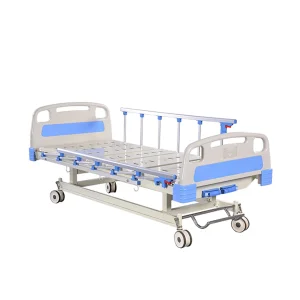
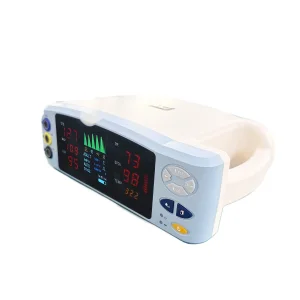
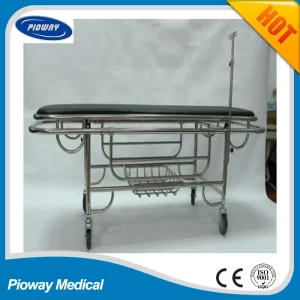
Engineered to integrate seamlessly with medical beds, ICU settings, and rehabilitation networks.
In contemporary medical facilities, patient autonomy and worker safety are critical performance metrics. Patient helper poles—commonly referred to in clinical environments as overbed trapeze bars or patient lifter poles—serve as the foundational hardware enabling independent patient repositioning, bedside rehabilitation, and assisted transfer protocols.
With the global geriatric population projected to double by 2050, the incidence of chronic mobility-limiting conditions (such as advanced osteoarthritis, post-stroke recovery, and acute orthopedic interventions) has risen. Consequently, global demand for highly durable, certified patient support equipment has shifted from basic structural tubes to advanced biomedical assemblies. As leading factories and exporters in China align operations with internationally recognized ISO 13485 standards, they are redesigning helper poles using advanced structural analysis and biocompatible materials.
Form factors engineered to match human grip geometry, lowering musculoskeletal strain on recovering patients.
Industrial thermosetting powder coatings infused with silver ions (Ag+) to proactively mitigate hospital-acquired infections (HAIs).
Engineered load ratings surpassing standard thresholds, protecting against high-velocity force spikes during transfers.
The manufacturing matrix of high-quality patient helper poles is governed by strict mechanical standards. Premium Chinese manufacturers build these devices using high-grade structural alloys, specifically Q235B Carbon Steel and lightweight, high-tensile Aluminum Alloy (6061-T6). Standard specifications require wall thicknesses to meet or exceed 2.0 mm to prevent structural deformation under continuous shear stress.
| Performance Metric | Carbon Steel Configurations (Standard) | Anodized Aluminum Class (Premium) |
|---|---|---|
| Load Capacity (Safe Working Load) | 150 kg (approx. 330 lbs) | 180 kg (approx. 396 lbs) |
| Wall Thickness | 2.25 mm - 2.50 mm | 2.80 mm - 3.20 mm |
| Corrosion Resistance | Industrial powder-coated, multi-layer protection | Anodized, scratch-resistant oxide layer |
| Weight and Portability | Moderate weight (high dynamic stability) | Lightweight (optimized for rapid repositioning) |
| Integrated Safety Lockout | 3-point lock (rotation prevention) | Multi-axis mechanical lock with visual verification |
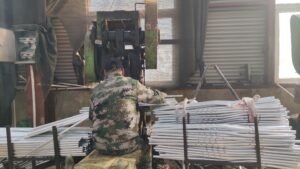
During fabrication, CNC pipe-bending machines ensure consistent, stress-free bends. In contrast to standard manual bending, which can create micro-fractures along tension axes, automated CNC bending maintains uniform tube roundness. Welding operations follow the AWS D1.1/D1.1M Structural Welding Code - Steel, utilizing robotic CO2 gas-shielded arc welding to eliminate internal gas pockets and guarantee consistent penetration.
Different healthcare facilities present distinct installation, spatial, and mechanical challenges. Sourcing strategies must take these localized contexts into account:
The patient support industry is moving toward integrated electronics and smart biomechanical sensing. As high-end Chinese factories adapt to Industry 4.0 trends, the R&D roadmap for next-generation patient helper poles focuses on key technical improvements:
A leading global provider of high-grade medical furniture, custom orthopedic patient aids, and integrated hospital solutions.
Guangzhou Medivara Medical Co., Ltd. is a leading China manufacturer of medical beds, ICU equipment, and adjustable hospital furniture, dedicated to enhancing patient comfort, safety, and clinical efficiency. With years of experience in the healthcare equipment industry, Medivara has become a trusted partner for hospitals, clinics, and medical facilities worldwide.
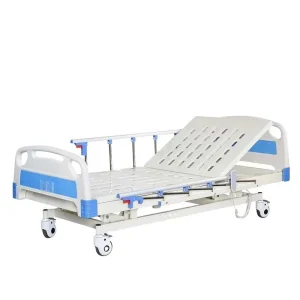
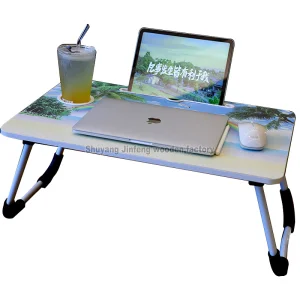
The company specializes in producing a comprehensive range of healthcare furniture and equipment, including electric and manual medical beds, ICU beds, pediatric and birthing beds, overbed tables, hospital chairs, medical cabinets, wheelchairs, crash carts, and patient monitoring systems. Each product is designed with ergonomics, durability, and hygiene in mind, ensuring both patients and healthcare professionals benefit from high-quality, reliable equipment.
Medivara places a strong emphasis on innovation and safety, integrating advanced materials, intelligent adjustment systems, and hospital-grade designs into its furniture and equipment. The company maintains strict quality control standards and adheres to international healthcare certifications, ensuring every product meets or exceeds global medical requirements.
With a professional R&D team, modern production facilities, and a dedicated after-sales support network, Guangzhou Medivara Medical Co., Ltd. provides customized OEM solutions, timely delivery, and comprehensive guidance for healthcare projects.
Committed to excellence, innovation, and customer satisfaction, Medivara Medical continues to advance the hospital furniture industry, delivering high-performance, safe, and patient-centered solutions that enhance healthcare operations across China and the world.
Global B2B medical equipment buyers, hospital supply chain executives, and orthopedic distributors must evaluate Chinese factories on several core criteria:
Frequently asked questions regarding international imports, custom OEM specifications, and engineering compliance.
Engineered to support hospital infrastructure, long-term clinical facilities, and home care environments.
 Medivara Medical