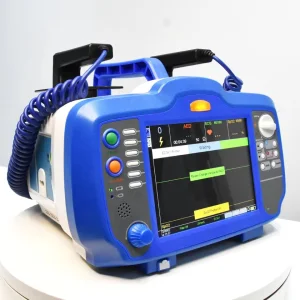
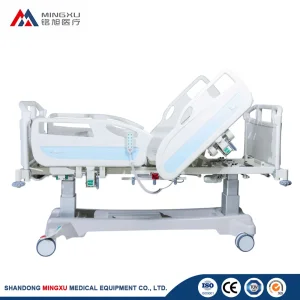
Explore our state-of-the-art medical equipment, from intelligent electric ICU beds to high-precision surgical instrument trolleys designed to enhance care workflows.
Guangzhou Medivara Medical Co., Ltd. is a leading China manufacturer of medical beds, ICU equipment, and adjustable hospital furniture, dedicated to enhancing patient comfort, safety, and clinical efficiency. With years of experience in the healthcare equipment industry, Medivara has become a trusted partner for hospitals, clinics, and medical facilities worldwide.
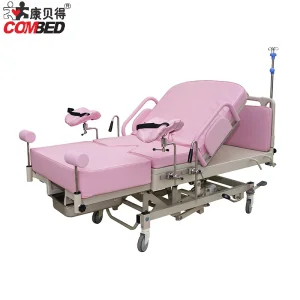
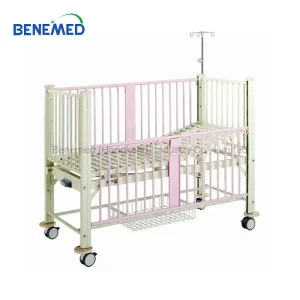
The company specializes in producing a comprehensive range of healthcare furniture and equipment, including electric and manual medical beds, ICU beds, pediatric and birthing beds, overbed tables, hospital chairs, medical cabinets, wheelchairs, crash carts, and patient monitoring systems. Each product is designed with ergonomics, durability, and hygiene in mind, ensuring both patients and healthcare professionals benefit from high-quality, reliable equipment.
Medivara places a strong emphasis on innovation and safety, integrating advanced materials, intelligent adjustment systems, and hospital-grade designs into its furniture and equipment. The company maintains strict quality control standards and adheres to international healthcare certifications, ensuring every product meets or exceeds global medical requirements.
With a professional R&D team, modern production facilities, and a dedicated after-sales support network, Guangzhou Medivara Medical Co., Ltd. provides customized OEM solutions, timely delivery, and comprehensive guidance for healthcare projects.
Modern intensive care units (ICUs) demand equipment that operates flawlessly at the intersection of patient safety, clinical workflow optimization, and ergonomic comfort. As global healthcare infrastructure expands, medical distributors, hospital procurement managers, and OEM clients encounter challenging supply dynamics. Decoupled supply chains, escalating regulatory standards (such as the EU MDR and FDA 510k), and a critical need for smart integration are driving procurement teams to partner directly with established custom OEM ICU equipment manufacturers.
"In critical care, equipment downtime is not just a commercial loss; it directly affects patient outcomes. Strategic hospital procurement has shifted from transactional purchase orders to deep collaborative partnerships with manufacturers capable of custom engineering, localized compliance, and lifecycle assurance."
Global procurement teams prioritize three major pillars during ICU device sourcing:
As a leading China manufacturer of medical beds, ICU equipment, and adjustable hospital furniture, Guangzhou Medivara Medical Co., Ltd. has established a robust, vertically integrated manufacturing process. Our facility delivers specialized modifications, customized branding, and custom-dimensioned equipment designed for regional clinical guidelines.
We provide a highly flexible configuration framework that allows medical engineering teams to build the exact product configurations required by their domestic markets:
| Equipment Type | Standard Configuration | OEM Customization Options |
|---|---|---|
| Electric ICU Beds | 3/4 Function, Linak/L&K Motors, ABS Side Rails | Integrated Weighing Scales, Nurse Controller panels, X-Ray translucent backrests, custom colors. |
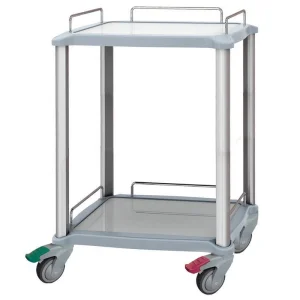
| Surgical Instrument Trolleys | Stainless steel frames, standard double shelves | Custom medical-grade drawer dividers, antistatic lockable castors, integrated waste bags, custom paint work. |
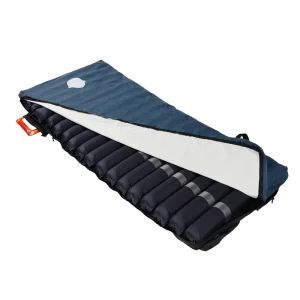
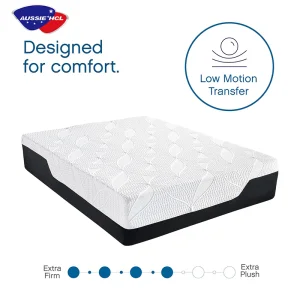
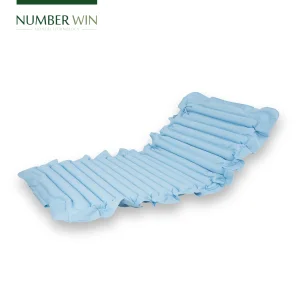
| Alternating Pressure Air Mattresses | Nylon PVC cells, mechanical pump controls | CPR rapid deflation valves, anti-decubitus cell-on-cell design, intelligent pressure sensor adjustments. |
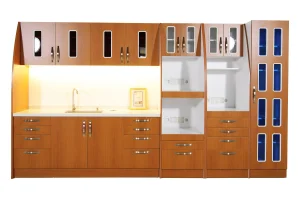
| Sterilization Cabinets | MDF board, standard lab shelves | Integrated UV-C disinfection modules, specialized dental drawer inserts, custom dimensions. |
The ICU environment is shifting toward a connected ecosystem. As medical hardware manufacturers, we continually adapt our R&D roadmap to incorporate smart systems. Looking forward, ICU beds and adjacent equipment will transition from passive structures to active clinical support tools.
Future ICU beds will incorporate high-resolution piezoelectric sensors embedded directly into the mattress platform. These sensors will continuously monitor patient heart rates, respiratory movements, and micro-movements without requiring skin contact. By exporting this data via standard protocols (HL7 or DICOM) to centralized nurse stations, our furniture becomes an integral part of the hospital's patient monitoring network.
Pressure ulcers present a significant challenge during extended ICU stays. Our engineering team is refining active alternating pressure air mattresses. These systems adjust internal air cell pressure in response to real-time patient weight distribution and movement data, reducing tissue shear and promoting blood flow.
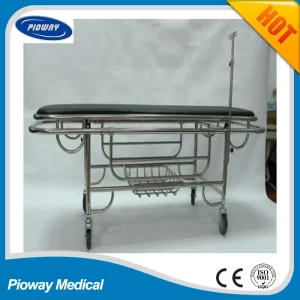
Modern emergency transport stretchers must offer more than simple transport. Guangzhou Medivara designs platforms that minimize physical strain on nursing staff. By integrating motorized drive wheels, intelligent progressive braking systems, and highly customizable height controls, transport operations require fewer staff members and decrease the risk of workplace injuries.
Selling medical devices globally requires meeting strict international quality standards. To support our clients during registration, imports, and tenders, Guangzhou Medivara Medical Co., Ltd. operates under strict Quality Management Systems (QMS).
Our quality assurance workflow includes raw material spectral testing (to confirm stainless steel alloy grades), structural overload testing, motor cycle testing (simulating 10,000+ adjustments), and electrical isolation testing. This focus on reliability ensures our equipment performs consistently in high-workload clinical settings.
Sourcing hospital furniture globally is only part of the challenge; ongoing maintenance and localization are equally important. Guangzhou Medivara supports clients with post-purchase services, technical assistance, and parts delivery.
To reduce shipping times and lower import duties, we offer partially knocked-down (SKD) and completely knocked-down (CKD) shipping options. Our engineering team supplies step-by-step assembly guides, CAD schematics, and video tutorials to help local technical teams complete assembly quickly and efficiently. Additionally, we provide comprehensive diagnostic and replacement kits for vital electrical components, such as actuator systems, hand controllers, and backup batteries, helping hospitals keep downtime to a minimum.
Read detailed answers to common questions about customization options, delivery times, and regulatory support for global distributors.
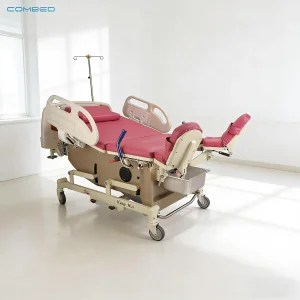
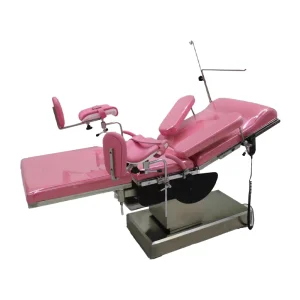
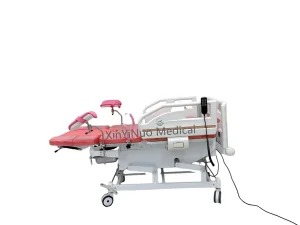
Discover our specialized line of electric obstetric tables, high-capacity patient stretchers, and durable mobility aids designed for rapid-response medical environments.
 Medivara Medical