The demand for medical-grade training stairs (rehabilitation stairs) has seen an unprecedented surge globally. Driven by an aging population, rising survival rates of stroke victims, and advancements in orthopedic post-surgical care, healthcare facilities are prioritizing early mobilization. Modern rehabilitation systems are no longer just wooden steps; they are high-tech, biomechanically engineered tools designed to rebuild neural pathways, improve cardiac health, and restore independence to millions of patients.
In the industrial sphere, the manufacturing of rehabilitation equipment requires strict compliance with international medical device standards. As key tools in physical therapy centers, geriatric facilities, and neurology wards, these stairs are engineered to handle repetitive stresses. The integration of high-density polymers, rust-resistant stainless steel, and antibacterial coatings ensures long-term clinical safety. For global distributors, choosing an exporter that understands both structural design and medical compliance is the difference between a successful installation and a liability issue.
Technological advancement is reshaping the physical rehabilitation sector. Industry buyers and healthcare directors must stay ahead of several emerging design paradigms:
Modern clinics face real estate constraints. Manufacturers are developing L-shaped, corner, and nested straight step configurations that optimize floor space while offering variable heights for diverse therapy options.
Step-height adjustments are moving away from manual wooden slot inserts. Electronic actuator-driven steps allow therapists to alter riser heights dynamically via digital controllers, tailored to specific patient progress.
IoT-enabled training stairs now feature integrated load cells and pressure sensors under each step. These sensors analyze gait, stride balance, and weight transfer, transmitting live diagnostic metrics directly to medical portals.
Rehabilitation stairs serve specific clinical purposes across various medical environments. Understanding these unique needs ensures hospitals order the correct configurations:

Guangzhou Medivara Medical Co., Ltd. is a leading China manufacturer of medical beds, ICU equipment, and adjustable hospital furniture, dedicated to enhancing patient comfort, safety, and clinical efficiency. With years of experience in the healthcare equipment industry, Medivara has become a trusted partner for hospitals, clinics, and medical facilities worldwide.
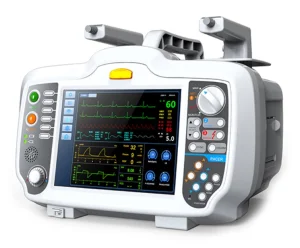
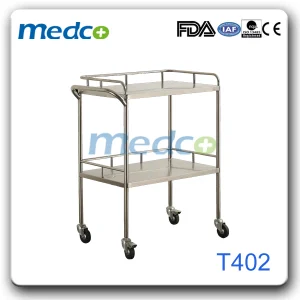
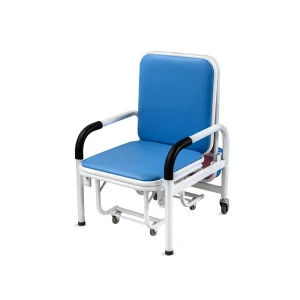
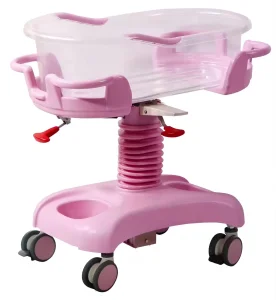
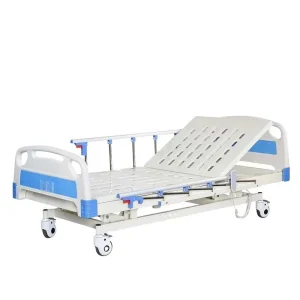
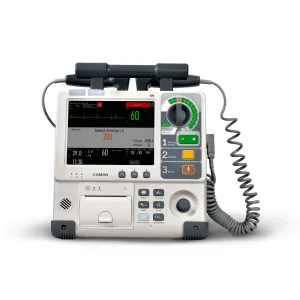
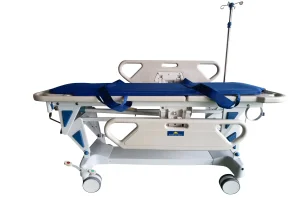
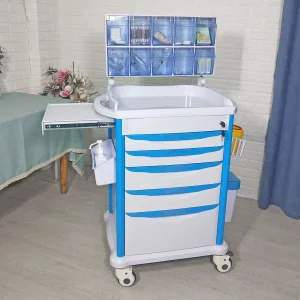
The company specializes in producing a comprehensive range of healthcare furniture and equipment, including electric and manual medical beds, ICU beds, pediatric and birthing beds, overbed tables, hospital chairs, medical cabinets, wheelchairs, crash carts, and patient monitoring systems. Each product is designed with ergonomics, durability, and hygiene in mind, ensuring both patients and healthcare professionals benefit from high-quality, reliable equipment.
Medivara places a strong emphasis on innovation and safety, integrating advanced materials, intelligent adjustment systems, and hospital-grade designs into its furniture and equipment. The company maintains strict quality control standards and adheres to international healthcare certifications, ensuring every product meets or exceeds global medical requirements.
With a professional R&D team, modern production facilities, and a dedicated after-sales support network, Guangzhou Medivara Medical Co., Ltd. provides customized OEM solutions, timely delivery, and comprehensive guidance for healthcare projects. Committed to excellence, innovation, and customer satisfaction, Medivara Medical continues to advance the hospital furniture industry, delivering high-performance, safe, and patient-centered solutions that enhance healthcare operations across China and the world.
To help healthcare planners and distributors evaluate suppliers, we outline the roadmap of modern clinical rehabilitation equipment structures, from basic designs to advanced technological integrations:
Heavy-duty carbon steel chassis, solid wood steps, and static multi-level handrail designs. Focused on absolute stability, high weight capacity (up to 300kg), and highly durable, non-slip textured surfaces.
L-shaped and straight-line configurations featuring step-height adjustment mechanisms. Double-layered handrail bars allow therapists to adapt the equipment for both adult and pediatric patients on the fly.
Integration of low-frequency Bluetooth sensors, optical balance detectors, and electronic load cells. Real-time patient gait cycle data is captured and sent to the cloud, allowing clinical teams to monitor recovery progress remotely.
AI-driven safety mechanisms with active harness suspension systems. Sensors detect slips or fatigue in real-time, automatically activating support harnesses to prevent falls, making rehabilitation training safer for high-risk patients.
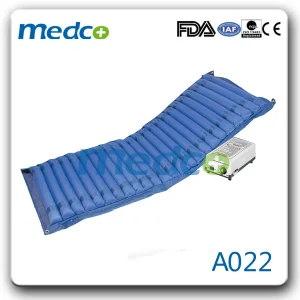
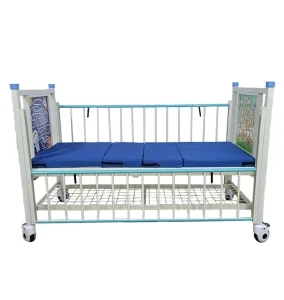
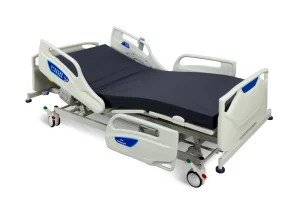
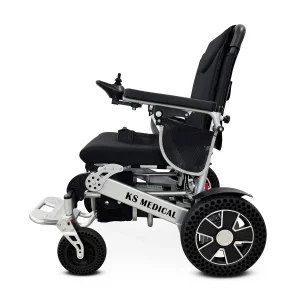
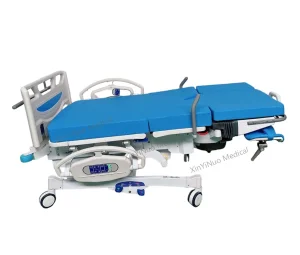
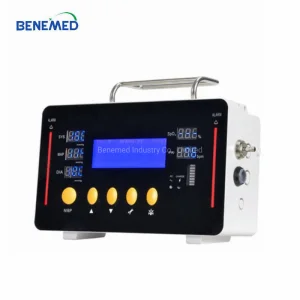
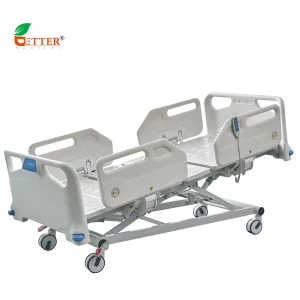
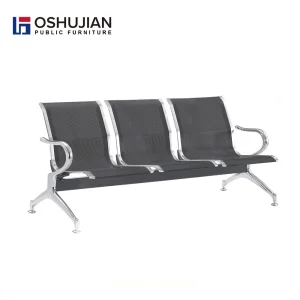
In modern hospital design, individual devices are integrated into complete care environments. Guangzhou Medivara Medical Co., Ltd. supplies comprehensive, multi-departmental equipment suites that streamline clinical operations:
When sourcing training stairs, global distributors must ensure their procurement orders meet key safety and durability specifications:
 Medivara Medical