Leading-edge equipment engineered for modern healthcare environments
Analyzing market shifts, technological integration, and the demand for OEM excellence
The global diagnostic equipment market is currently undergoing a paradigm shift, transitioning from centralized hospital-based services to decentralized, point-of-care (POC) and remote monitoring systems. Valued at over USD 500 billion globally, the demand for high-precision diagnostic tools, ICU patient monitoring systems, and specialized medical furniture has never been higher. As healthcare systems grapple with aging populations and the need for more efficient clinical workflows, the role of OEM (Original Equipment Manufacturer) and ODM (Original Design Manufacturer) partners becomes critical.
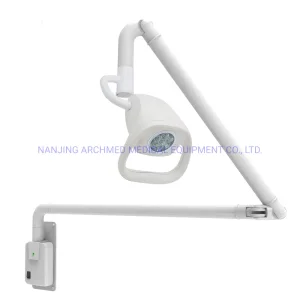
Modern medical infrastructure requires more than just functional hardware; it demands "intelligent" equipment. This includes beds with integrated sensors for patient weight and movement, lighting systems optimized for surgical precision, and diagnostic monitors that seamlessly sync with Hospital Information Systems (HIS). Global procurement officers are increasingly looking for suppliers who offer Information Gain through data-driven design, ensuring that every piece of equipment contributes to better patient outcomes and reduced operational costs.
Efficiency, Innovation, and Supply Chain Resilience
China's medical manufacturing hubs, particularly in Guangzhou and Shenzhen, offer unparalleled access to raw materials, electronic components, and precision machining. This reduces lead times and allows for rapid prototyping of custom ODM medical solutions.
Chinese factories have evolved from simple assembly lines to innovation powerhouses. By integrating AI-driven monitoring and ergonomic designs into manual and electric hospital beds, they provide high-tech solutions at a fraction of Western production costs.
Whether it is a small clinic upgrade or a multi-phase national hospital project, China-based suppliers like Medivara offer the scalability required to meet massive volume demands without compromising on international safety certifications.
Empowering Healthcare with Precision and Reliability
Guangzhou Medivara Medical Co., Ltd. is a leading China manufacturer of medical beds, ICU equipment, and adjustable hospital furniture, dedicated to enhancing patient comfort, safety, and clinical efficiency. With years of experience in the healthcare equipment industry, Medivara has become a trusted partner for hospitals, clinics, and medical facilities worldwide.

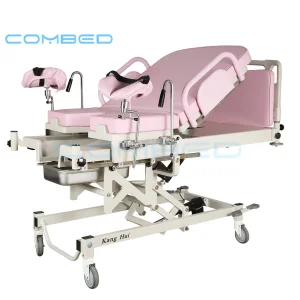
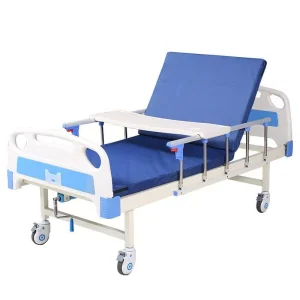
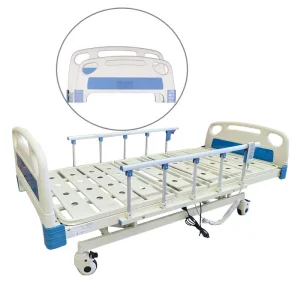
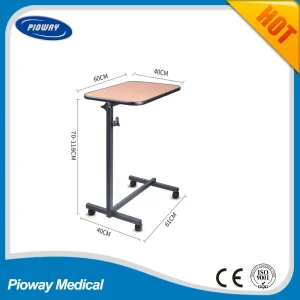
The company specializes in producing a comprehensive range of healthcare furniture and equipment, including electric and manual medical beds, ICU beds, pediatric and birthing beds, overbed tables, hospital chairs, medical cabinets, wheelchairs, crash carts, and patient monitoring systems. Each product is designed with ergonomics, durability, and hygiene in mind, ensuring both patients and healthcare professionals benefit from high-quality, reliable equipment.
Medivara places a strong emphasis on innovation and safety, integrating advanced materials, intelligent adjustment systems, and hospital-grade designs into its furniture and equipment. The company maintains strict quality control standards and adheres to international healthcare certifications, ensuring every product meets or exceeds global medical requirements.
With a professional R&D team, modern production facilities, and a dedicated after-sales support network, Guangzhou Medivara Medical Co., Ltd. provides customized OEM solutions, timely delivery, and comprehensive guidance for healthcare projects. Committed to excellence, innovation, and customer satisfaction, Medivara Medical continues to advance the hospital furniture industry, delivering high-performance, safe, and patient-centered solutions that enhance healthcare operations across China and the world.
Tailored solutions for diverse clinical environments
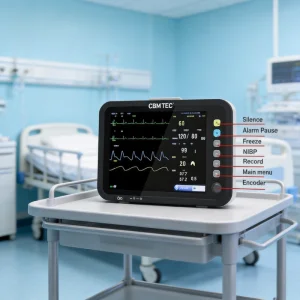
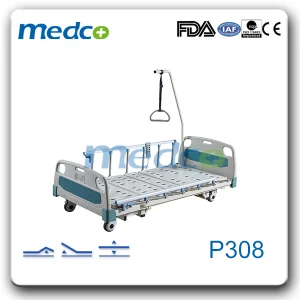
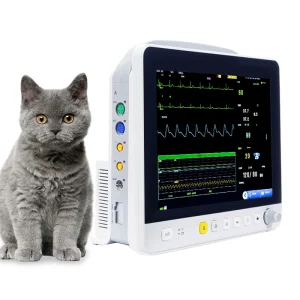
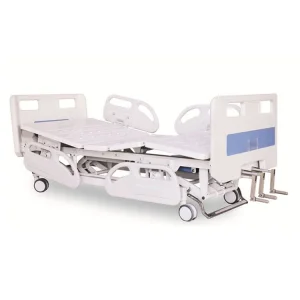
High-acuity environments require multi-parameter monitors and 5-function electric beds that allow for rapid Trendelenburg positioning and X-ray translucency for bedside imaging.
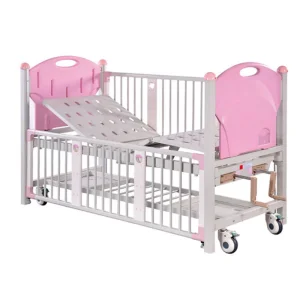
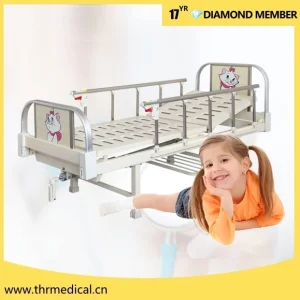
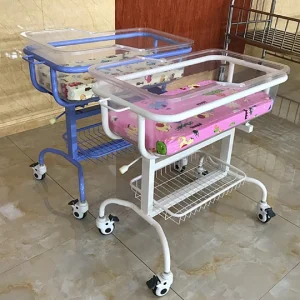
Safety is paramount. Our pediatric beds and newborn cribs feature non-toxic coatings, transparent basins for visibility, and anti-pinch side rails designed specifically for smaller patients.
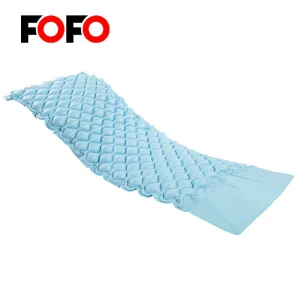
Focusing on pressure ulcer prevention, our bubble medical air mattresses and low-height adjustable beds empower elderly patients while reducing the physical strain on nursing staff.
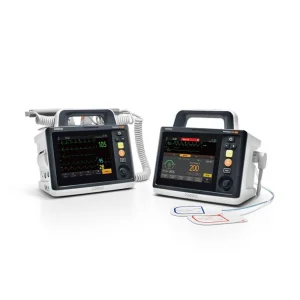
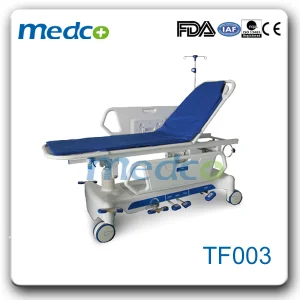
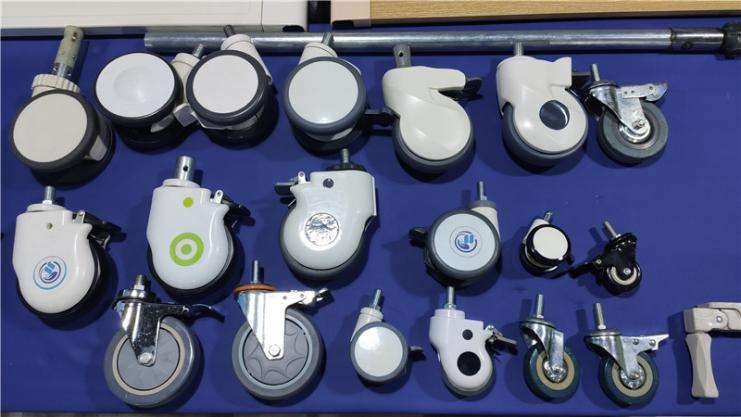
Mobile stretchers and portable defibrillators are optimized for rapid deployment, featuring high-durability casters and intuitive interfaces for high-stress situations.
Aligning your supply chain with the future of MedTech
We are seeing a massive surge in demand for "Connected Medical Furniture." B2B buyers are moving toward beds and diagnostic stations that can transmit real-time data to a central nursing station. This reduces manual charting time and improves patient safety through AI-driven alerts.
Future-ready factories are shifting toward green manufacturing. This includes using recyclable ABS plastics and antimicrobial powder coatings that actively inhibit the growth of bacteria—a critical factor in preventing Hospital-Acquired Infections (HAIs).
Experienced global buyers are looking past the initial sticker price. They evaluate suppliers based on long-term reliability, ease of maintenance, and the availability of modular spare parts. An OEM partner like Medivara focuses on modular designs that simplify field repairs, significantly lowering the TCO for hospital groups.
Answering critical questions for medical equipment procurement
OEM solutions allow hospital groups to tailor equipment to specific clinical needs, such as custom weight capacities, specific caster types for local flooring, or integration with proprietary monitoring software. It ensures the equipment fits the workflow rather than forcing the workflow to fit the equipment.
We implement a multi-stage quality control process, from raw material inspection to final stress testing under loaded conditions. Our facility adheres to ISO 13485 standards, and our products carry CE certifications, meeting the rigorous safety requirements of European and American markets.
For standard configurations, lead times typically range from 15 to 30 days. For custom ODM projects involving new molds or electronic integrations, the timeline usually spans 45 to 60 days, including the prototyping and validation phases.
We provide comprehensive technical documentation, video installation guides, and a dedicated digital support channel. For large-scale projects, we offer modular spare part kits to ensure minimal downtime in the event of component wear.
High-performance equipment for every medical specialty
 Medivara Medical