Premium clinical furniture and diagnostics integrated for high-performance patient care frameworks.
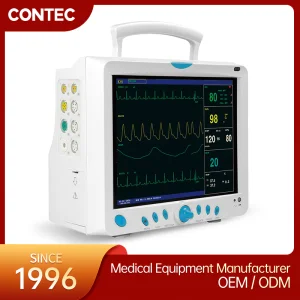
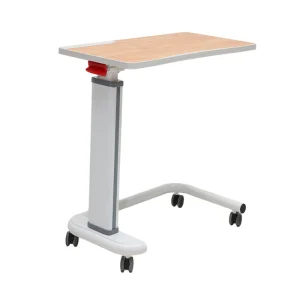
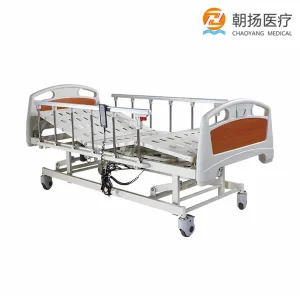
A comprehensive analysis of design metrics, mechanical engineering, supply chain structures, and quality standards for international clinical buyers.
A professional shoulder wheel (also known as a shoulder rotation exercise wheel) is a core piece of physical therapy equipment engineered to restore active range of motion, improve muscle coordination, and enhance joint mobility for patients recovering from rotator cuff injuries, strokes, surgeries, or chronic arthritis. Unlike simple consumer devices, professional-grade shoulder wheels utilized in clinical settings require high structural integrity, micrometric resistance adjustments, and smooth, maintenance-free bearing systems.
Typically mounted directly to walls or integrated into modular structural frames, these devices support targeted circumduction exercises. China-based manufacturers have evolved to become the leading suppliers of these devices, leveraging advanced metal alloy extrusion, electrostatic powder coating, and specialized bearing engineering to produce robust units that withstand decades of constant clinic use.
| Technical Metric | Clinical/Standard Requirement | Medivara Factory Specification |
|---|---|---|
| Wheel Diameter Range | 500 mm - 1000 mm (Adjustable options preferred) | 750 mm / 900 mm fixed or Telescopic configuration |
| Resistance Mechanism | Stepless manual friction or magnetic eddy-current | Double-sided calibrated friction pads / Magnetic option |
| Mounting Mechanism | Vibration-dampened heavy-duty anchor plates | Stainless steel wall mount with 150mm height adjustment track |
| Surface Finishing | Biocompatible, anti-bacterial powder coat | AkzoNobel non-toxic medical-grade powder coating |
| Bearing System | Self-aligning, sealed double-row ball bearings | Industrial SKF / NSK equivalent dust-shielded bearings |
The concentration of medical equipment manufacturing in industrial hubs such as Guangdong and Jiangsu gives Chinese factories an unmatched competitive edge. Procurement of complex hardware assemblies like medical beds, patient lifters, and physical therapy wheels benefits directly from integrated ecosystems:

Guangzhou Medivara Medical Co., Ltd. is a leading China manufacturer of medical beds, ICU equipment, and adjustable hospital furniture, dedicated to enhancing patient comfort, safety, and clinical efficiency. With years of experience in the healthcare equipment industry, Medivara has become a trusted partner for hospitals, clinics, and medical facilities worldwide.
The company specializes in producing a comprehensive range of healthcare furniture and equipment, including electric and manual medical beds, ICU beds, pediatric and birthing beds, overbed tables, hospital chairs, medical cabinets, wheelchairs, crash carts, and patient monitoring systems. Each product is designed with ergonomics, durability, and hygiene in mind, ensuring both patients and healthcare professionals benefit from high-quality, reliable equipment.
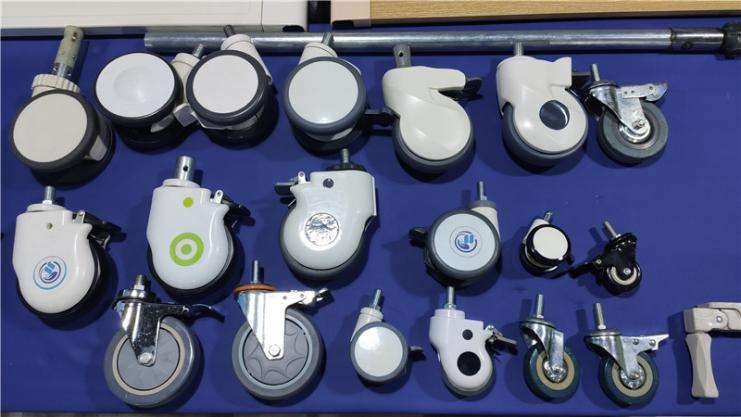
Medivara places a strong emphasis on innovation and safety, integrating advanced materials, intelligent adjustment systems, and hospital-grade designs into its furniture and equipment. The company maintains strict quality control standards and adheres to international healthcare certifications, ensuring every product meets or exceeds global medical requirements.
With a professional R&D team, modern production facilities, and a dedicated after-sales support network, Guangzhou Medivara Medical Co., Ltd. provides customized OEM solutions, timely delivery, and comprehensive guidance for healthcare projects.
Committed to excellence, innovation, and customer satisfaction, Medivara Medical continues to advance the hospital furniture industry, delivering high-performance, safe, and patient-centered solutions that enhance healthcare operations across China and the world.
Procurement departments in medical groups, rehabilitation hospital networks, and international distributors face strict criteria when evaluating physical therapy equipment sources. When selecting physical therapy hardware or mechanical rehabilitation structures, three main factors must be prioritized:
All devices utilized in clinics must strictly adhere to CE, ISO 13485, and FDA registration requirements to ensure patient safety and legal conformity across different markets.
Contact points (such as rotating handles and height-adjustment knobs) must feature hypoallergenic materials and anti-microbial coatings to prevent cross-contamination.
Shoulder wheel friction mechanisms must withstand continuous duty cycles (often 100,000+ rotations per year) without showing signs of mechanical play or resistance degradation.
The rehabilitation hardware industry is undergoing a significant transformation. Traditional, purely mechanical units are evolving to adapt to the demands of modern data-driven physical therapy:
To maximize therapeutic benefit, shoulder wheels must be calibrated differently depending on the specific recovery environment:
Technical answers designed to streamline the evaluation process for hospital procurement officers and medical device distributors.
A1: Our factory uses heavy-duty, high-density composite friction pads that maintain a stable coefficient of friction even under continuous heat build-up. We run stress tests over 100,000 continuous rotations under load to verify that resistance deviation remains under ±5%.
A2: Yes, Guangzhou Medivara Medical provides comprehensive OEM/ODM customization. We can alter metal thickness, integrate electronic angle tracking sensors, adjust wheel diameters, and apply custom branding or unique color palettes to meet local market regulations.
A3: Every batch of carbon steel and aluminum tubing undergoes optical emission spectrometry (OES) to verify alloy composition, hardness testing (Brinell/Rockwell), and wall thickness ultrasound checks. We ensure zero mechanical compromises before any metal enters production.
A4: All exposed components, including adjustment knobs and steel surfaces, are finished with high-performance, non-porous powder coatings that withstand hospital-grade sanitizers, isopropyl alcohol, and chlorine-based solutions, preventing rust and biofilm accumulation.
A5: Standard production lead times are between 30 to 45 days from sample verification and deposit receipt. For complex custom designs or OEM configurations, lead times may vary, but they are tracked via our ERP system to ensure timely delivery.
A6: Yes. Our height-adjustable models offer a travel distance of up to 500 mm. This wide range enables clinicians to slide the wheel down to accommodate seated wheelchair-bound patients, or slide it up for standing adult rehabilitation exercises.
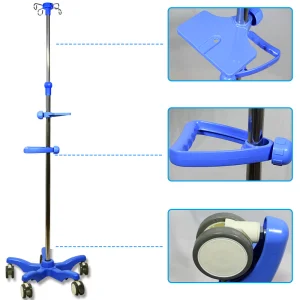
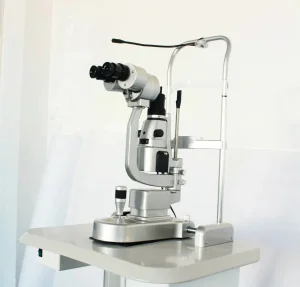
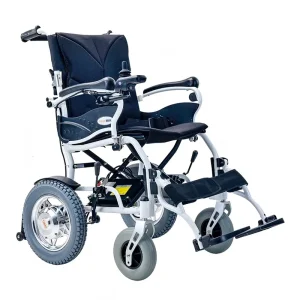
Discover more high-grade medical tables, wheelchairs, diagnostics, and patient transportation systems.
 Medivara Medical