Discover our high-precision critical care configurations, delivery systems, and operating room fixtures engineered to international standards.

The global clinical landscape is undergoing a systemic shift in the treatment of chronic obstructive pulmonary disease (COPD), acute asthma, cystic fibrosis, and respiratory infections. Traditional nebulizer models are giving way to high-efficiency, micro-droplet inhalation therapies. As a result, healthcare networks, medical distributors, and private label importers are reassessing their supply chains to prioritize technical reliability, biological safety compliance, and low cost of ownership.
China's manufacturing sector has progressed from basic low-tier assembly to state-of-the-art micro-electro-mechanical systems (MEMS) production. Leading OEM facilities in China now manage cleanrooms certified to ISO Class 8 (Class 100,000) or higher, employing automated robotic assemblies and laser drilling technology. For procurement professionals, this ensures access to advanced nebulizers—particularly vibrating mesh and clinical-grade compressor systems—at high volume outputs and lower per-unit costs.
Selecting a manufacturing partner requires looking beyond unit pricing to evaluate deep engineering capabilities. Qualified factories implement rigorous testing protocols, including assessment via the Next Generation Impactor (NGI) to verify droplet size distributions. They also ensure raw material traceability and maintain comprehensive validation documentation for international regulatory filings.
Efficient drug delivery to the lower respiratory tract depends on the Mass Median Aerodynamic Diameter (MMAD) of the aerosol particles. Particles larger than 5 microns typically deposit in the upper airways (mouth and throat), while particles between 1 and 5 microns reach the deep bronchioles and alveoli. Understanding these physical limits is key when evaluating factory technical specifications.
Utilize compressed air through a venturi nozzle to create high-velocity shear forces that atomize liquid medication. Ideal for heavy-duty hospital environments and highly viscous medications. They offer high mechanical reliability, but operate at higher noise levels (>55 dBA) and are less portable.
The gold standard for modern aerosol therapy. An active mesh plate vibrates at high frequencies (approx. 110-130 kHz), extruding liquid through thousands of laser-drilled micro-apertures. This creates a low-velocity, highly consistent mist with minimal residual volume (<0.1 mL) and near-silent operation.
Employ a piezoelectric transducer to send high-frequency sound waves through the liquid, generating waves that release aerosol droplets. Recommended primarily for humidification, as the thermal energy generated can degrade delicate macromolecular biologics and proteins.
| Performance Indicator | Vibrating Mesh (VMN) | Compressor Nebulizer | Ultrasonic Nebulizer |
|---|---|---|---|
| Target MMAD Range | 1.0 μm - 3.5 μm (High Alveolar Deposition) | 3.0 μm - 5.0 μm (Bronchial Target) | 3.5 μm - 6.0 μm (Upper Airway focus) |
| Typical Residual Volume | < 0.1 mL (Excellent drug utilization) | 0.5 mL - 1.0 mL (Moderate waste) | 0.7 mL - 1.2 mL (High waste) |
| Operational Noise Level | < 25 dBA (Virtually silent) | 50 dBA - 65 dBA (Audible motor) | < 35 dBA (Quiet) |
| Biologics Stability | No thermal impact; safe for proteins | Safe; high shear forces possible | Can heat solution; risks degradation |
| Power Configurations | Lithium Battery / USB (Portable) | AC Mains Only (Stationary) | AC Mains or Internal Battery pack |
Navigating medical device procurement in China requires clear insight into factory quality assurance (QA) frameworks and production flows. Industrial manufacturing is divided into sub-assembly procurement, PCB surface-mount technology (SMT) lines, plastic injection molding, sterile chamber assembly, and final performance calibration. To safeguard capital and maintain inventory timelines, global buyers should monitor the following key supply chain milestones:
1. Plastic Resins & Biocompatibility: The nebulizer cup, mouthpiece, and inhalation masks must be fabricated from medical-grade materials, typically polypropylene (PP), polycarbonate (PC), or liquid silicone rubber (LSR). These materials must be free of bisphenol A (BPA) and phthalates, and comply with ISO 10993 biocompatibility standards.
2. Automated Mesh Plate Verification: The core of a mesh nebulizer is the vibrating plate, often made of a palladium-nickel or titanium alloy. Top factories implement optical inspection stations using high-resolution microscope cameras to verify that all micro-apertures (typically 2 to 3 microns in diameter) are free of structural defects or obstructions before final assembly.
3. Quality Control (QC) Protocols: Reputable manufacturers use Acceptable Quality Limit (AQL 1.0/2.5) sampling procedures for physical casing finishes, drop tests, and water resistance (IP22 rating or higher). The key step is verifying the aerosol output rate (mL/min) using saline solutions to ensure consistency across batches.
Nebulizers are transitioning from passive delivery systems to intelligent, patient-centric therapeutic devices. The technical roadmap highlights several key trends driving modern medical product development:
By integrating low-energy Bluetooth modules, modern nebulizers sync with smartphone apps to monitor inhalation cycles, record dosage frequency, and track patient compliance. This data can be transmitted to healthcare providers to optimize treatment plans for chronic conditions like asthma or COPD.
Traditional nebulizers release mist continuously, leading to drug waste during the exhalation phase. Breath-actuated technology uses internal pressure sensors to detect when the patient inhales, activating the mesh plate only during inhalation. This reduces drug waste by up to 60%, making it highly cost-effective for expensive specialized formulations.
To address mesh clogging caused by suspension medications like budesonide, manufacturers are applying hydrophobic and lipophobic nano-coatings to the metallic mesh plates. This maintains consistent delivery rates over longer operating cycles and simplifies cleaning requirements.
Importing medical equipment requires strict compliance with destination-market regulations. Factories must provide verified documentation to confirm product safety and performance:
| Certification | Jurisdiction | Key Sourcing Implications |
|---|---|---|
| CE MDR (EU 2017/745) | European Union | Classifies nebulizers as Class IIa active therapeutic devices. Requires clinical evaluation reviews and strict post-market surveillance (PMS) files. |
| US FDA 510(k) Clearances | United States | Requires demonstrating substantial equivalence to a legally marketed predicate device. Evaluates particle size distribution, biocompatibility, and electromagnetic compatibility. |
| ISO 13485:2016 | Global Standard | Certifies the factory's Quality Management System (QMS) specifically for medical devices, ensuring traceability from raw materials to final packaging. |
| RoHS & WEEE Directives | European Union | Ensures electrical components are free of hazardous substances (lead, mercury, cadmium) and comply with e-waste recycling directives. |
Before placing high-volume purchase orders, procurement managers should verify test reports issued by accredited notified bodies (such as TÜV SÜD, SGS, or Intertek). Confirming that electrical safety reports (IEC 60601-1) and electromagnetic compatibility reports (IEC 60601-1-2) are fully up to date is essential for smooth customs clearance and market entry.
Guangzhou Medivara Medical Co., Ltd. is a leading China manufacturer of medical beds, ICU equipment, and adjustable hospital furniture, dedicated to enhancing patient comfort, safety, and clinical efficiency. With years of experience in the healthcare equipment industry, Medivara has become a trusted partner for hospitals, clinics, and medical facilities worldwide.
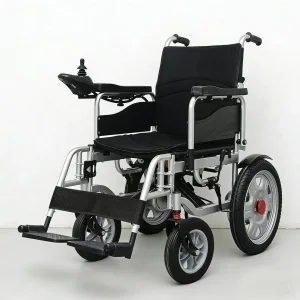
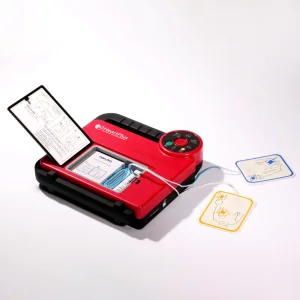
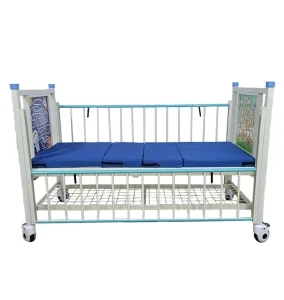
The company specializes in producing a comprehensive range of healthcare furniture and equipment, including electric and manual medical beds, ICU beds, pediatric and birthing beds, overbed tables, hospital chairs, medical cabinets, wheelchairs, crash carts, and patient monitoring systems. Each product is designed with ergonomics, durability, and hygiene in mind, ensuring both patients and healthcare professionals benefit from high-quality, reliable equipment.

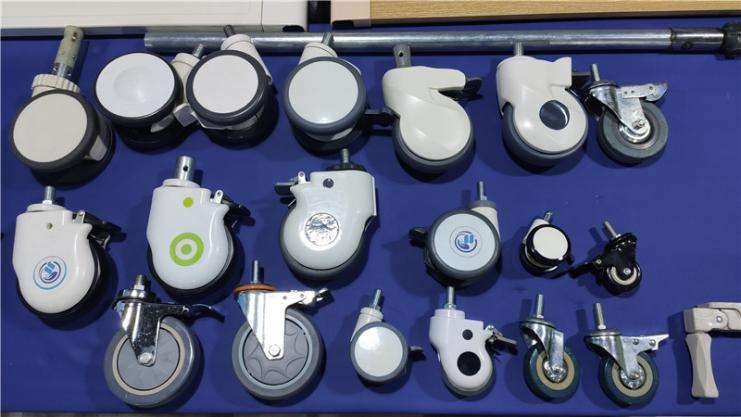
Medivara places a strong emphasis on innovation and safety, integrating advanced materials, intelligent adjustment systems, and hospital-grade designs into its furniture and equipment. The company maintains strict quality control standards and adheres to international healthcare certifications, ensuring every product meets or exceeds global medical requirements.
With a professional R&D team, modern production facilities, and a dedicated after-sales support network, Guangzhou Medivara Medical Co., Ltd. provides customized OEM solutions, timely delivery, and comprehensive guidance for healthcare projects.
Committed to excellence, innovation, and customer satisfaction, Medivara Medical continues to advance the hospital furniture industry, delivering high-performance, safe, and patient-centered solutions that enhance healthcare operations across China and the world.
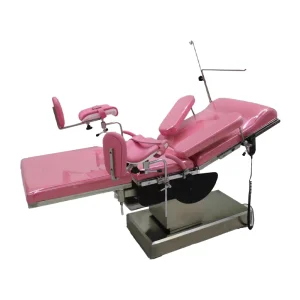
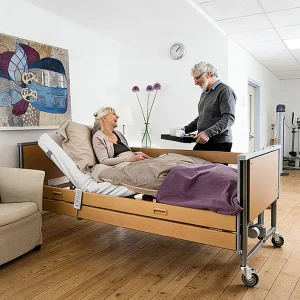
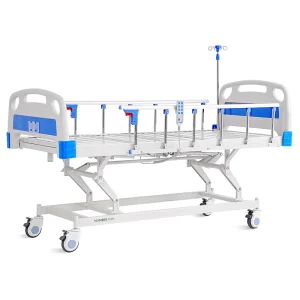
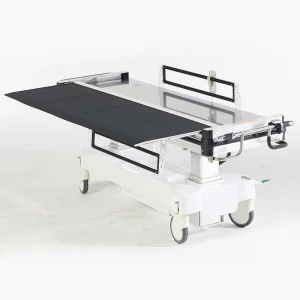
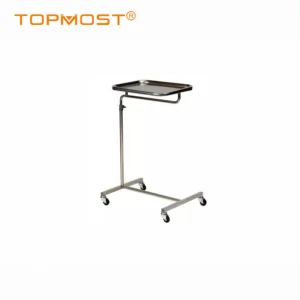
Browse our range of hospital furnishings, mobility aids, emergency resuscitation systems, and operation room accessories.
 Medivara Medical