Patient Monitoring Systems Supplier & Suppliers Serving the Namibia Market

Empowering Namibian Healthcare with Global Standard Multi-Parameter Patient Monitors & Advanced ICU Infrastructure

Send Inquiry Now

Primary Critical Care Monitors for Namibia

Highly robust, clinical-grade patient monitoring systems customized for deployment across Namibia's public and private health networks.
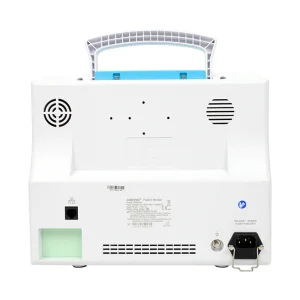
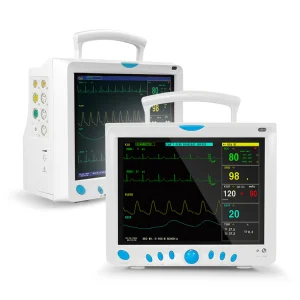
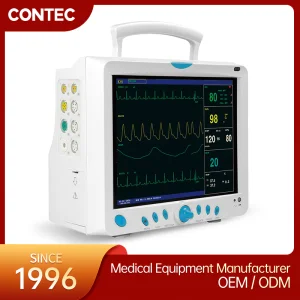
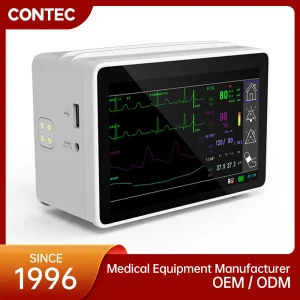
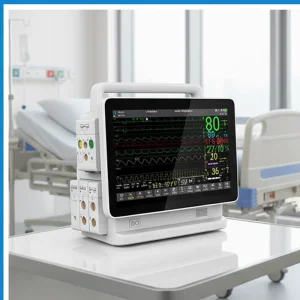
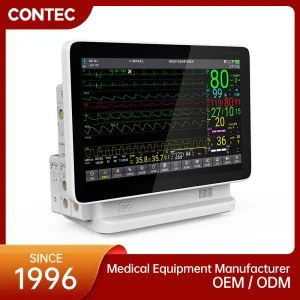
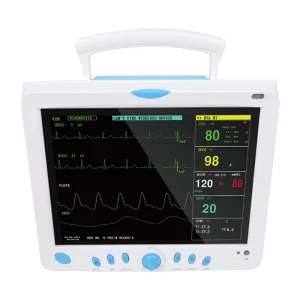
Advanced 12.1-Inch Namibia Hospital Patient Monitoring System

Advanced 12.1-Inch Namibia Hospital Patient Monitoring System for Professionals

View Specifications
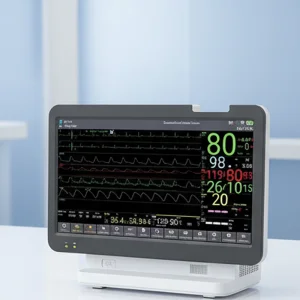
Advanced Contec Cms9000 Neonatal Monitoring System Namibia

Advanced Contec Cms9000 Neonatal Patient Monitoring System for Namibian Pediatrics

View Specifications
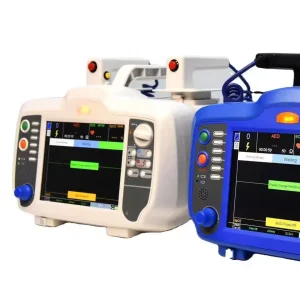
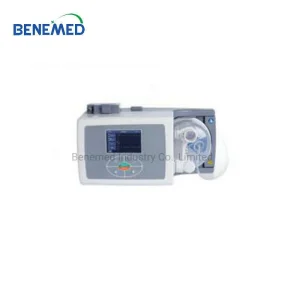
Advanced Class II Defibrillator System Patient Monitoring Namibia

Advanced Class II Defibrillator System with Integrated Patient Monitoring for Namibia

View Specifications
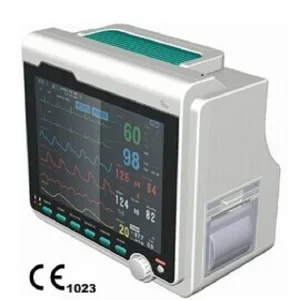
Namibia Patient Monitoring System Health Data Collection

State-of-The-Art Patient Monitoring System for Precise Health Data Collection in Namibia

View Specifications

Namibia Healthcare Landscape: The Vital Need for Modern Patient Monitoring

Namibia's healthcare sector is undergoing a rapid transition towards digitalization and modernized clinical workflows. Operating under a dual-tier framework—where the public sector, overseen by the Ministry of Health and Social Services (MoHSS), serves the majority of the population, and a sophisticated private sector caters to urban hubs—Namibia requires highly durable and adaptive medical technologies. Primary health challenges include geographic vastness, where communities in rural regions such as Kunene, Kavango, and Karas are situated hundreds of kilometers away from tertiary referral hospitals in Windhoek (such as Katutura State Hospital and Windhoek Central Hospital).

To bridge these vast distances, patient monitoring systems must serve as more than local vital sign display units. They must act as critical data acquisition nodes, capable of telemetry transmission, telemedicine integration, and continuous physiological data recording. With the introduction of the Harambee Prosperity Plan II and universal health coverage initiatives, there is an urgent demand to equip district hospitals with reliable ICU equipment, including multi-parameter patient monitors, maternal-fetal screens, and neonatal surveillance systems to lower the national maternal mortality rate and optimize bedside outcomes.

Clinical Requirement: In Namibia's rural clinics, power fluctuations are common. Patient monitoring units must possess at least 4 to 8 hours of battery backup or support hot-swappable batteries to guarantee uninterrupted diagnostic coverage.
14+
Namibian Regions Covered
100%
CE & ISO Certified Equipment
<2.5s
Arrhythmia Detection Response
24/7
Remote Technical Support

Global Technological Shifts in Patient Surveillance

Worldwide, the patient monitoring systems industry is transitioning from reactive alert-based systems to proactive, AI-assisted diagnostic platforms. By leveraging high-frequency sampling rates of ECG, SpO2, NIBP, temperature, and respiration parameters, modern algorithms can predict clinical deterioration hours before physical signs manifest. The integration of clinical decision support systems (CDSS) within patient monitors enables early detection of sepsis, sudden cardiac arrest, and respiratory failures.

Another major trend is the development of modular parameter slots. Instead of replacing entire monitoring systems, clinics and hospitals can simply interchange specialized pods—such as end-tidal CO2 (EtCO2), invasive blood pressure (IBP), or anesthetic gas monitoring modules—based on the dynamic needs of the operating theater (OT) or intensive care unit (ICU). This modularity reduces capital expenditure and optimizes inventory lifecycle management.

Advanced Wireless Telemetry

Enables ambulatory patients to remain under continuous cardiac surveillance while moving freely within the hospital ward, transmitting high-fidelity ECG waveforms to a central console.

HL7 Interoperability Standards

Ensures seamless integration of patient demographic and physiological data directly into Hospital Information Systems (HIS) and Electronic Medical Records (EMR).

AI-Enabled False Alarm Suppression

Utilizes multi-parameter correlation analysis to reduce "alarm fatigue" among clinical staff, ensuring that notifications are actionable and genuine.

Localized Clinical Application Scenarios in Namibia

Medical systems operating in Namibia face environmental and operational factors that differ significantly from European or North American contexts. Our localized technology deployment addresses these factors directly:

  • Long-Distance Emergency Transport & Ambulances: Transporting a critical patient from rural clinics in the Oshana region to Windhoek requires continuous, shock-resistant monitoring. Models like the F15 Emergency Surgical Ambulance Monitor are engineered with rugged chassis and robust brackets to function reliably in off-road transit environments.
  • Remote Clinic Solar-Powered Operation: In community clinics where grid reliability is compromised, low-power telemetry monitors can be run directly off localized solar-PV battery systems, ensuring healthcare access is never limited by power grid constraints.
  • Centralized Monitoring in Regional Reference Hospitals: Regional capitals like Rundu, Walvis Bay, and Keetmanshoop require centralized nursing stations. Medivara's Central Monitoring Systems connect up to 64 bedside units, allowing a small team of nurses to monitor entire critical care wards from a single station.

Technical Roadmap & Future-Proofing Healthcare

The digitization roadmap of our patient monitoring technologies centers on cloud-based telemetry. Within the next decade, rural Namibian healthcare outposts will be linked via low-latency satellite links (such as Starlink) and 5G networks. In this landscape, bedside monitors will act as edge devices, uploading patient waveforms in real-time to centralized AI systems. Specialists in Windhoek or international hubs can then consult on complex cases in real time, reducing the need for costly patient transfers.

Furthermore, hardware integration is steering towards sustainable, eco-friendly components. Our monitors utilize lead-free components, mercury-free sensors, and low-energy displays that minimize the ecological footprint of healthcare facilities while reducing long-term utility costs.

Medivara Medical: Setting the Global Benchmark for Medical Equipment

Guangzhou Medivara Medical Co., Ltd. is a leading China manufacturer of medical beds, ICU equipment, and adjustable hospital furniture, dedicated to enhancing patient comfort, safety, and clinical efficiency. With years of experience in the healthcare equipment industry, Medivara has become a trusted partner for hospitals, clinics, and medical facilities worldwide.

The company specializes in producing a comprehensive range of healthcare furniture and equipment, including electric and manual medical beds, ICU beds, pediatric and birthing beds, overbed tables, hospital chairs, medical cabinets, wheelchairs, crash carts, and patient monitoring systems. Each product is designed with ergonomics, durability, and hygiene in mind, ensuring both patients and healthcare professionals benefit from high-quality, reliable equipment.

Medivara places a strong emphasis on innovation and safety, integrating advanced materials, intelligent adjustment systems, and hospital-grade designs into its furniture and equipment. The company maintains strict quality control standards and adheres to international healthcare certifications, ensuring every product meets or exceeds global medical requirements.

With a professional R&D team, modern production facilities, and a dedicated after-sales support network, Guangzhou Medivara Medical Co., Ltd. provides customized OEM solutions, timely delivery, and comprehensive guidance for healthcare projects.

Committed to excellence, innovation, and customer satisfaction, Medivara Medical continues to advance the hospital furniture industry, delivering high-performance, safe, and patient-centered solutions that enhance healthcare operations across China and the world.
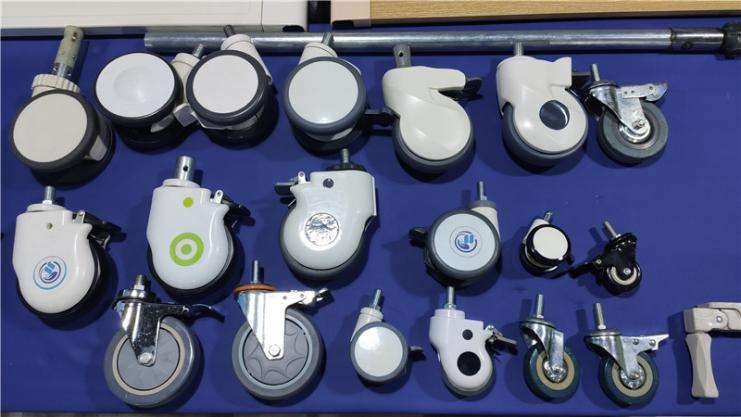
Guangzhou Medivara Medical Co., Ltd. Showroom and Quality Inspection Center
Medivara Modernized Automated Hospital Bed and ICU Equipment Production Line

Extensive Range of Patient Monitoring Solutions

From maternal monitoring to high-acuity ICU systems, explore our full catalog of medical technologies built for clinical excellence.
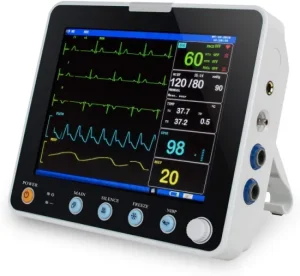
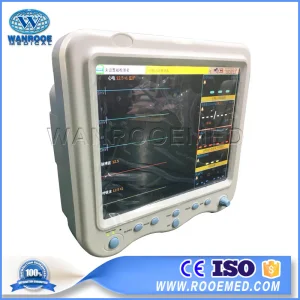
High-Quality 15-Inch Patient Monitoring System Namibia

High-Quality 15-Inch Patient Monitoring System with Multi-Language Support for Namibia

View Specifications
F15 Surgical Ambulance ICU Patient Monitoring System Namibia

F15 Economic Surgical Ambulance Equipment 15 Inch ICU Portable Patient Monitoring System for Namibia

View Specifications
Best ECG Patient Monitoring System Namibia

Best ECG Patient Monitoring System for Namibian Diagnostic Centers

View Specifications
Contec CMS9000 Central Patient Monitoring System Namibia

Contec Cms9000 CE Certificated Central Patient Monitoring System for Namibia

View Specifications
ICU Patient Monitoring System for Maternal Health Namibia

Comprehensive ICU Patient Monitoring System for Maternal Health in Namibia

View Specifications
Contec TS13 Patient Monitoring System Critical Care Namibia

Advanced Contec Ts13 Patient Monitoring System for Critical Care Solutions in Namibia

View Specifications
Mobile ICU Patient Monitoring System Namibia

Advanced Mobile ICU Patient Monitoring System for Namibian Healthcare Professionals

View Specifications
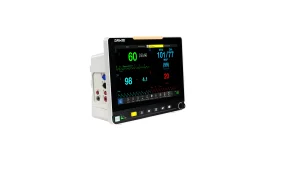
Dawei Medical ICU Multi-Parameter Patient Monitor Namibia

Dawei Medical Products Patient Monitoring System ICU Multi-Parameter Patient Monitor for Namibia

View Specifications
Contec CMS9000 Professional Patient Monitoring Namibia

Professional Healthcare Patient Monitoring System by Contec Cms9000 for Namibia

View Specifications
Advanced Patient Monitor Battery Swap Namibia

Advanced Patient Monitoring System with Easy Battery Swap for Namibia Wards

View Specifications
High Flow Oxygen Therapy System Namibia

High Flow Oxygen Therapy System for Respiratory Support in Namibia Clinics

View Specifications
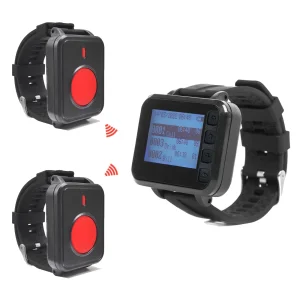
Wireless Caregiver Pager Nurse Call System Namibia

Wireless Caregiver Pager Call Button Nurse Alert System for Namibian Eldercare & Patient Monitoring

View Specifications

Frequently Asked Questions

Essential insights for procurement departments, hospital administrative boards, and medical supply distributors in Namibia.

1 How do Medivara Patient Monitoring Systems comply with Namibian import standards?
Our medical equipment, including the advanced multi-parameter monitors, conforms to international certification protocols, including CE certifications, ISO 13485 (Medical Devices Quality Management Systems), and ISO 9001. We provide all the necessary technical documentation, safety certificates, and manufacturing records required by the Namibia Medicines Regulatory Council (NMRC) for efficient import customs clearance via the Port of Walvis Bay.
2 How do the systems manage electrical spikes and grid instability in rural Namibian clinics?
Our monitors are engineered with built-in wide-input voltage power supplies (typically accommodating 100V-240V AC at 50/60Hz) to buffer minor surges. For areas experiencing total blackouts, our units feature integrated, high-capacity lithium-ion batteries that automatically take over without system resets or data loss. We also offer models equipped with battery swap designs for extended off-grid runtimes.
3 Does Medivara provide training and diagnostic support for hospital technicians in Namibia?
Yes, we provide comprehensive technical manuals, digital video tutorials, and live webinars for hospital biomedical engineers. Additionally, our R&D team can provide remote firmware support, diagnostic troubleshooting via online interfaces, and customized operational training sessions.
4 What is the standard warranty and spare parts availability policy?
Medivara offers a standard 12 to 24-month comprehensive warranty on all monitoring devices. We maintain a robust inventory of critical spare parts, including SpO2 sensors, NIBP cuffs, ECG lead wires, power supply boards, and replacement batteries, which can be dispatched rapidly to distributors and hospitals in Namibia.
5 Are your monitors compatible with existing EMR and hospital networking architectures?
Absolutely. Our central monitoring systems and individual bedside units support standard HL7 data protocols and Ethernet/Wi-Fi output options. This allows integration into standard electronic health record (EHR) configurations, helping automate charting and minimize administrative workloads.